Hiking in Banff National Park — The Trails Worth Your Time in September
This article was written ahead of our September 2026 trip. We’ll update it with first-hand trail reports when we’re back in October.
This article contains affiliate links. If you book or purchase through these links I may earn a small commission at no extra cost to you. I only recommend products and companies I genuinely use or have researched thoroughly.
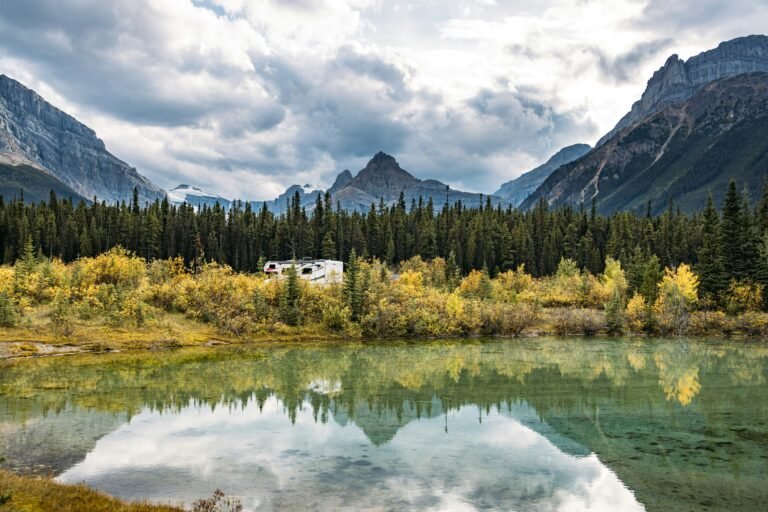
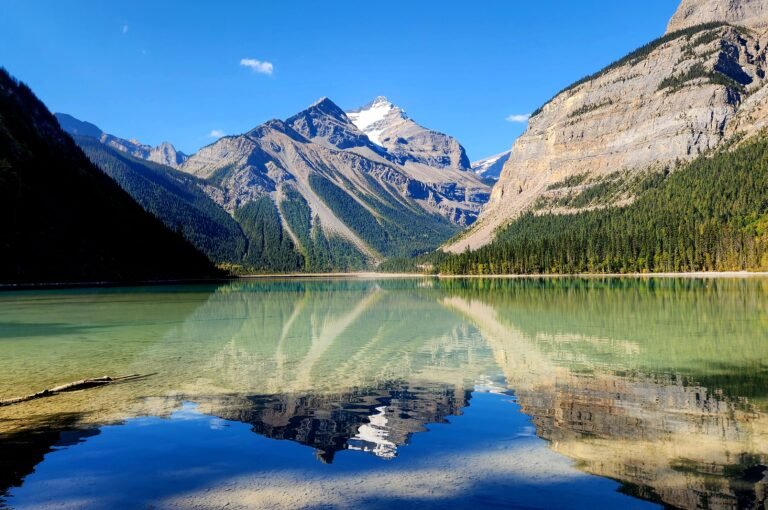
Banff National Park is the most visited park in the Canadian Rockies — and the most visited for good reason. Over 1,600km of maintained trails cut through some of the most dramatic mountain scenery on earth, from turquoise glacial lakes at valley level to exposed alpine ridges at 2,400m+.
We have three nights at Tunnel Mountain Village 2 campground in mid-September, which gives us two full hiking days plus arrival and departure. This is how we’re thinking about spending them — and why hiking in Banff National Park matters specifically as part of our EBC altitude preparation before flying to Nepal in October.
A 2026 Trail Update — Check Before You Go
As of July 2026, Parks Canada listed extreme fire danger in Banff National Park, several trail closures, snow at high elevations, and wet and muddy sections on some trails. The Bow Glacier Falls trail is among those currently closed.
Trail conditions in September can differ significantly from July, and most summer closures should be resolved by mid-September. That said, always check the Parks Canada trail status page before you head out. Conditions in the Rockies change quickly and closures can appear with short notice.
What Banff Is Like as a Destination
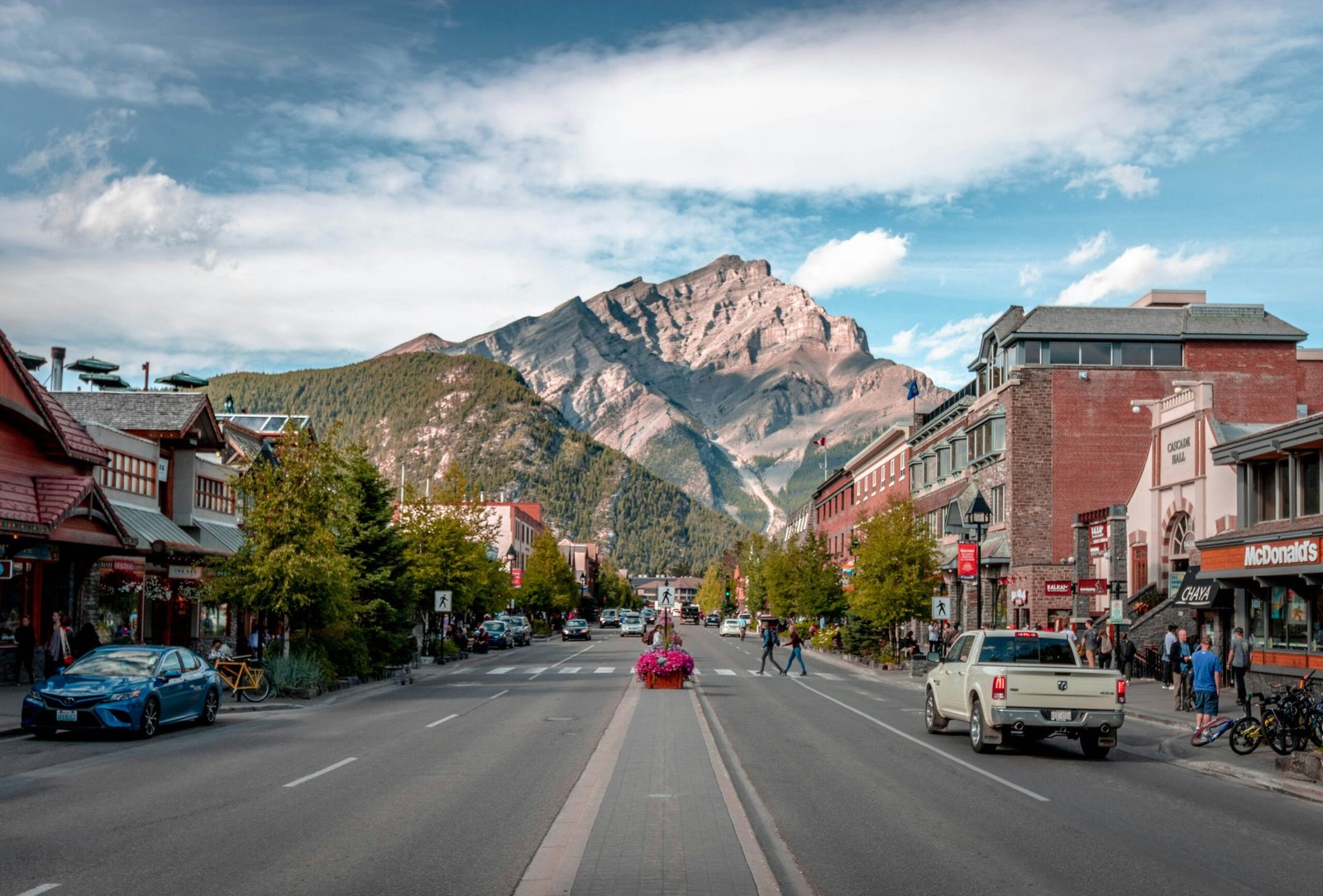
Banff town sits at 1,383m in the Bow Valley — a proper mountain town with restaurants, shops, and enough going on that three nights doesn’t feel like a service stop between trails. It’s busier than Jasper and considerably more touristy, but the infrastructure also means easier access to trailheads, better shuttle services, and more dining options after a long day on the mountain.
September is a genuinely good time to be here. The summer peak crowds have dropped, golden larch trees make the higher trails especially spectacular in late September, and the weather is generally more settled than October. We’re arriving mid-September so we should catch the larch colour beginning in the higher elevations.
The Trails Worth Your Time
Larch Valley — the September priority
The Larch Valley hike climbs 11.6km round trip to a high mountain pass, offering panoramic views of surrounding peaks. In late September, golden larch trees make this trail especially spectacular — it’s the one hike in Banff that is genuinely better in September than in summer.
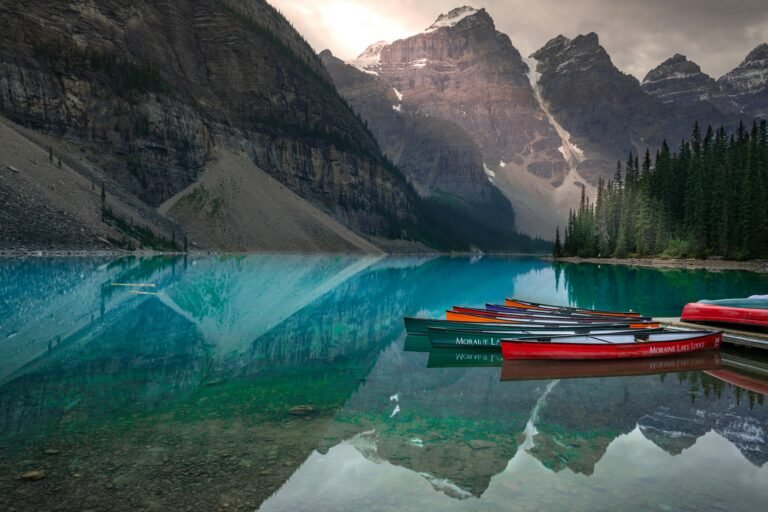
The trailhead is at Moraine Lake, accessible by shuttle from Banff or Lake Louise in peak season. The hike gains around 570m and reaches 2,350m, with the open larch basin sitting above the treeline for much of the upper section. The altitude makes it directly relevant to EBC preparation — this is our first-choice hike for day one in Banff.
Distance: 11.6km return | Elevation gain: 570m | Difficulty: Moderate-Strenuous | Altitude: 2,350m
Sulphur Mountain — altitude without the full effort
The summit sits at 2,281m, the gondola takes you there in 8 minutes (CAD $52), or the full hike is 11km return with 655m of elevation gain. Hiking up rather than taking the gondola is a steady climb through forest that opens to a boardwalk summit with 360-degree views — a rewarding option for those wanting a proper workout with panoramic payoff at the top.
For EBC preparation, hiking up is the right call — sustained uphill at 2,000m+ is exactly the training stimulus we’re after. The gondola is the sensible option for a rest day or when legs need a break after consecutive long days.
Distance: 11km return (full hike) | Elevation gain: 655m | Difficulty: Moderate-Strenuous | Altitude: 2,281m
Johnston Canyon
Johnston Canyon trail features elevated catwalks traversing a narrow limestone gorge. The total distance to Upper Falls is 5.4km with an elevation gain of 120m — this is the lower-altitude option, a canyon walk rather than a mountain hike.
The catwalks over the rushing water make it more dramatic than the modest elevation numbers suggest. Worth an early morning start before the crowds arrive, or as a standalone afternoon activity. Lower Falls is 1.2km from the trailhead; Upper Falls adds another 1.5km with a reasonable uphill section.
Distance: 5.4km to Upper Falls | Elevation gain: 120m | Difficulty: Easy-Moderate | Best for: Rest day, morning warm-up
Moraine Lake Rockpile
Moraine Lake Rockpile Trail covers 800m and rises to a natural moraine viewpoint overlooking the Valley of the Ten Peaks — the classic elevated viewpoint that’s been on the Canadian $20 bill. The trail is short but the view is extraordinary, and combining it with the Larch Valley hike makes for a complete Moraine Lake day.
Access to Moraine Lake is by shuttle only during peak season — check the Parks Canada booking system for availability in mid-September.
Distance: 800m return | Elevation gain: Minimal | Difficulty: Easy
Plain of Six Glaciers — Lake Louise
Plain of Six Glaciers starts at Lake Louise and ascends into a rugged alpine environment, with glacier views, waterfalls, and a historic teahouse at 2,100m. The teahouse is solar powered, cash only, and worth the trip for the scones alone.
We’re staying at Baker Creek by Basecamp between Lake Louise and Banff for two nights before moving into the Banff campsite — so this hike fits naturally into the Lake Louise section of the trip. A good option if you want to bank altitude metres before reaching Banff proper.
Distance: 14km return | Elevation gain: 370m | Difficulty: Moderate | Altitude: 2,100m
The EBC Altitude Connection
Banff sits higher than Jasper at 1,383m and the day hikes reach meaningfully further — Larch Valley at 2,350m and Sulphur Mountain at 2,281m are the best altitude days of the entire Canadian Rockies section. Two or three days above 2,000m in the lead-up to the Nepal trip, following five weeks of altitude training sessions in Auckland, is a solid preparation foundation.
The honest caveat: none of this replaces the acclimatisation schedule built into the Evertrek itinerary. Namche Bazaar at 3,440m is a step change from anything in the Rockies, and the Khumbu above Namche is another world again. But arriving in Kathmandu with recent altitude exposure rather than coming straight from sea level gives us a head start. More on the full training approach in the How to Train for EBC article.
Hiking in Banff National Park – Practical Notes
Parks Canada pass: Required for park entry. Day passes cost CAD $11 per adult or CAD $22.40 per family in 2026. An annual Discovery Pass covering Jasper, Banff, and Yoho is better value across multiple days.
Moraine Lake shuttle: Book the Parks Canada shuttle well in advance — it sells out weeks ahead in season. Mid-September availability is better than peak summer but don’t leave it to chance.
Bear spray: Required for any backcountry trail. Available to hire in Banff town.
Weather: September mornings in Banff can be cold — sub-zero at altitude. Bring layers and pack for the full range.
Trail conditions: Always check current Parks Canada trail reports before heading out — Banff conditions can change rapidly.
More From Above the Cloud Treks
- Hiking in Jasper National Park
- Canadian Rockies Road Trip — The Full Route
- Canadian Rockies Road Trip Cost
- How to Train for Everest Base Camp
- EBC Trek Guide for Non-Mountaineers
Andrew Dillon is a data consultant, runner, and triathlete based in Auckland, New Zealand. He is trekking EBC via Gokyo with Evertrek in October 2026. Follow his journey at abovethecloudtreks.com.