Kelowna and the Okanagan Valley — Canada’s Wine Country at the End of the Road
This article was written ahead of our September 2026 trip. We’ll update it with first-hand experience when we’re back in October.
This article contains affiliate links. If you book or purchase through these links I may earn a small commission at no extra cost to you. I only recommend products and companies I genuinely use or have researched thoroughly.
After two and a half weeks of mountain passes, national parks, and glacier walks, the Canadian Rockies road trip ends somewhere unexpected — in a semi-arid valley lined with vineyards, fruit orchards, and Okanagan Lake stretching south toward the US border.
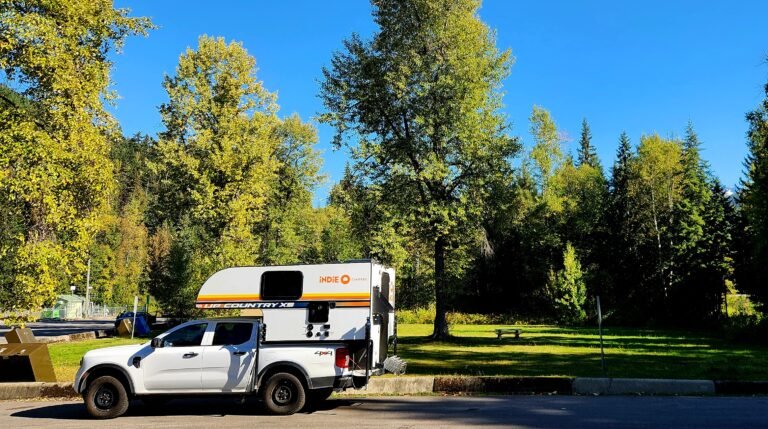
Kelowna is the final stop before we drop the Indie Campers van back in Vancouver and fly east to Quebec. We’ve built two nights there deliberately — not as an afterthought, but because the Okanagan Valley deserves to be treated as a destination in its own right rather than a scenic drive-through on the way to the airport.
Here’s what we know before we arrive, and why we chose Kelowna as the road trip’s finale.
A Bit of Context — Our Wine Background
Since moving to New Zealand in 2013, wine has become a genuine interest rather than just something that comes with dinner. New Zealand takes its wine seriously — and so have we.
We’ve visited Waiheke Island, Hawke’s Bay, Martinborough and Central Otago in New Zealand — Central Otago Pinot Noir is our benchmark drop, particularly from Valli. McLaren Vale and the Barossa Valley in South Australia over Christmas. Champagne and Burgundy in 2023. We’ve also completed a micro-credential in New Zealand wine through the NZ Food and Wine School — so when we say we’re interested in wine, we mean it properly.
The Okanagan Valley has been on the list for a while. Canada’s wine industry doesn’t get the international recognition it deserves, and the Okanagan in particular — with a terroir that produces serious Pinot Noir, Pinot Gris, and Chardonnay — is the kind of region worth approaching with genuine curiosity rather than low expectations.
What Is the Okanagan Valley?
The Okanagan Valley is a 200km-long lake district in the interior of British Columbia, running from Vernon in the north to Osoyoos on the US border in the south. Kelowna sits roughly in the middle — the largest city in the valley and the centre of the wine industry.
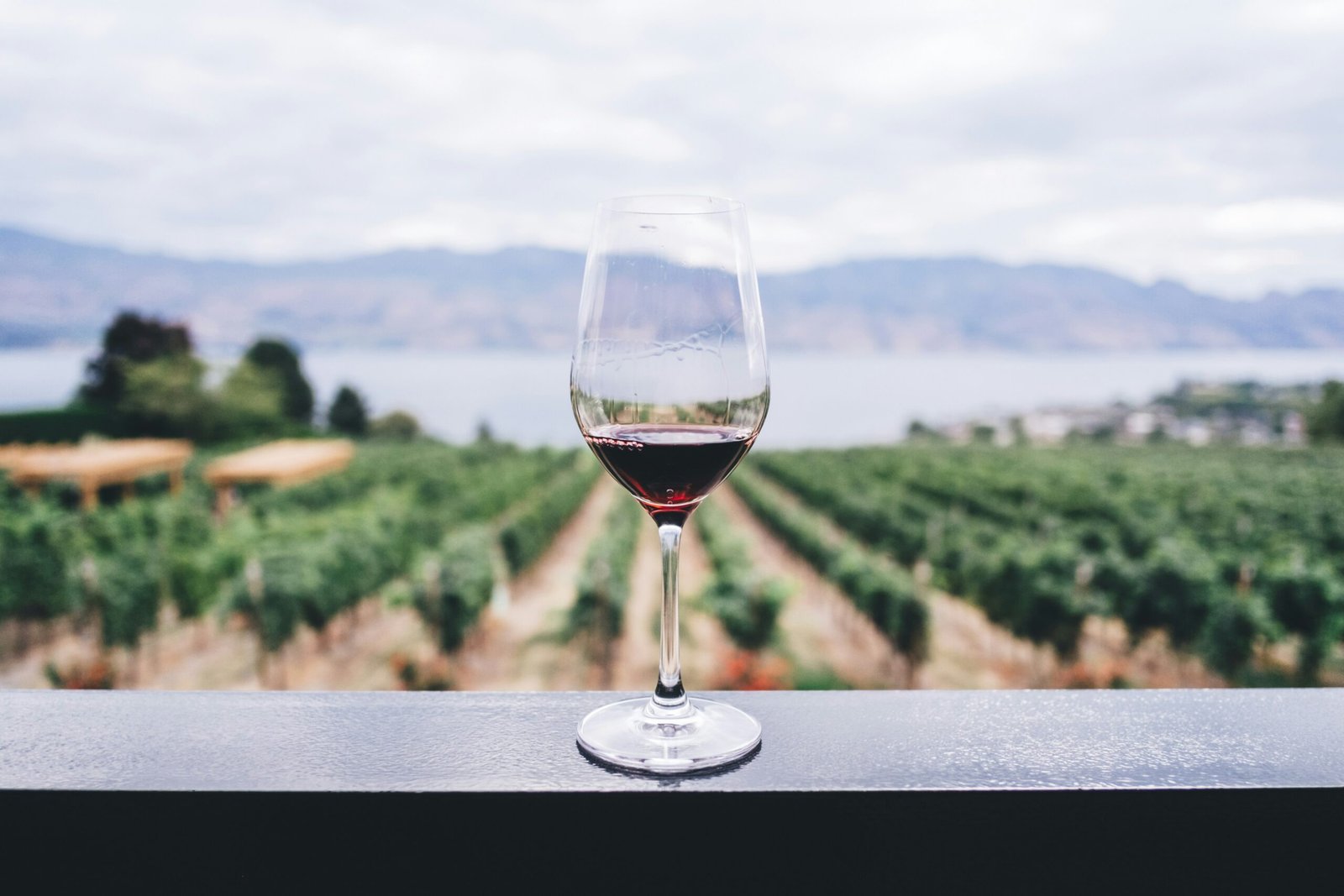
The landscape is unlike anything else in British Columbia. Two hours south of Revelstoke and its dense mountain forest, the valley opens up into a desert-scrub environment — ponderosa pines, sagebrush, steep vineyard terraces, and the long blue expanse of Okanagan Lake. It looks more like southern France or northern California than Canada.
The terroir produces particularly strong Pinot Noir, Pinot Gris, Riesling, and Chardonnay. The valley’s hot summers and cool nights create natural acidity that the best producers here exploit well. Visitors familiar with wine regions in California, Washington, and Oregon have found Okanagan wines equally as good, if not superior. That’s consistent with what drew us to add it to the itinerary — the same climatic logic that makes Central Otago Pinot compelling applies here.
Getting There From the Rockies
The drive from Revelstoke to Kelowna is 200km south through the Shuswap and into the valley — around two and a half hours. The landscape transition is one of the most dramatic on the entire road trip. You leave mountain forest and within a couple of hours you’re passing fruit stands, vineyard signs, and orchards heavy with late summer stone fruit.
Kelowna sits on the eastern shore of Okanagan Lake, connected to West Kelowna by the William R. Bennett Bridge. Most wineries are spread across three main areas: West Kelowna on the western shore, East Kelowna on the benchlands above the city, and Lake Country to the north.
The Metropolis Wine Tour — Full Day
We booked the Metropolis Wine Tours full day Kelowna tour — five wineries, 20–25 different wines, from CAD $169 per person, with all tasting fees, door-to-door pickup and drop-off, and a knowledgeable tour guide included.
Wineries on the tour may include the Vibrant Vine, The View, Priest Creek Family Estate, Tantalus Vineyards, Meadow Vista Honey Wines, Summerhill Pyramid Winery, Spearhead, Kitsch Wines, St Hubertus & Oak Bay Estate, CedarCreek Estate, and Sperling Vineyards. The specific lineup varies by departure — which is part of the appeal, the guide builds the day around what’s showing well.
Lunch is not included in the price but can be coordinated at one of the wineries, or you can bring a picnic and take in the views between tastings. We’ll figure that out on the day.
We paid NZD $420 for two people — the full day format gives you time to actually engage with each winery rather than rushing through tastings, which matters if you’re approaching it as a learning experience rather than just a drinking session.
Booking tip: Advance booking is highly recommended, especially during the busy spring through fall season. September is harvest season in the Okanagan — the most spectacular time of year to visit, when the vineyards are at their fullest. We booked months ahead.
What Else to Do in Kelowna
Kettle Valley Rail Trail
The abandoned Kettle Valley Railway has been converted into a multi-use trail winding through the hills above Kelowna with panoramic views over the city and Okanagan Lake. The section above town sits around 1,200m — a gentle morning hike or cycle that gives tired road-trip legs something to do without the demands of a national park trail. The old trestle bridges along the route are a highlight.
Okanagan Lake waterfront
Kelowna’s downtown waterfront is genuinely pleasant — a long lakeside promenade, beach areas, and relaxed café culture. After weeks of early mornings and long drives, two hours by the lake with good coffee is a legitimate activity.
Bear Creek Provincial Park
We’re camping at Bear Creek Provincial Park on the western shore of Okanagan Lake. The park sits directly on the lake edge with its own beach, and the views east to Kelowna across the water at sunrise are worth setting an alarm for.
The fruit stands
The Okanagan is one of Canada’s major fruit-growing regions. Roadside fruit stands selling peaches, plums, apples, and cherries are everywhere in September — and the quality is extraordinary compared to anything you’d find in a supermarket. Stock up before leaving the valley.
September in the Okanagan
September is harvest month — the single best time to visit. The vineyards are heavy with fruit, the harvest crews are working, and the whole valley has an energy that the quieter months don’t. Temperatures are warm during the day, cooler at night, and the light has that late-summer quality that flatters everything.
It’s also the end of peak tourist season. Kelowna in August is busy. Mid-September is still lively but significantly more manageable — winery tasting rooms are less crowded and you’re more likely to have a proper conversation with the person pouring.
For us, arriving mid-September after two weeks in the national parks, the relative warmth and accessibility of the Okanagan feels like a deliberate gear change. Vineyards and lake views after Banff and Revelstoke — the Rockies don’t ease you out gently. Kelowna does.
A Note on the Wise Card
Managing Canadian dollars across a road trip of this length is the kind of thing that quietly costs money in poor exchange rates and ATM fees. We’re using Wise throughout — mid-market rate, low fees, and the ability to hold CAD alongside NZD and USD on one card. Particularly useful in the Okanagan where winery tasting fees and tour payments are all in CAD.
More From Above the Cloud Treks
- Canadian Rockies Road Trip — The Full Route
- Canadian Rockies Road Trip Cost
- Hiking in Jasper National Park
- Hiking in Banff National Park
Andrew Dillon is a data consultant, runner, and triathlete based in Auckland, New Zealand. He is trekking EBC via Gokyo with Evertrek in October 2026. Follow his journey at abovethecloudtreks.com.