The Ultimate EBC Packing List — What I’m Actually Taking (And What I’m Still Figuring Out)
This article contains affiliate links. If you book or purchase through these links I may earn a small commission at no extra cost to you. I only recommend products and companies I genuinely use or have researched thoroughly.
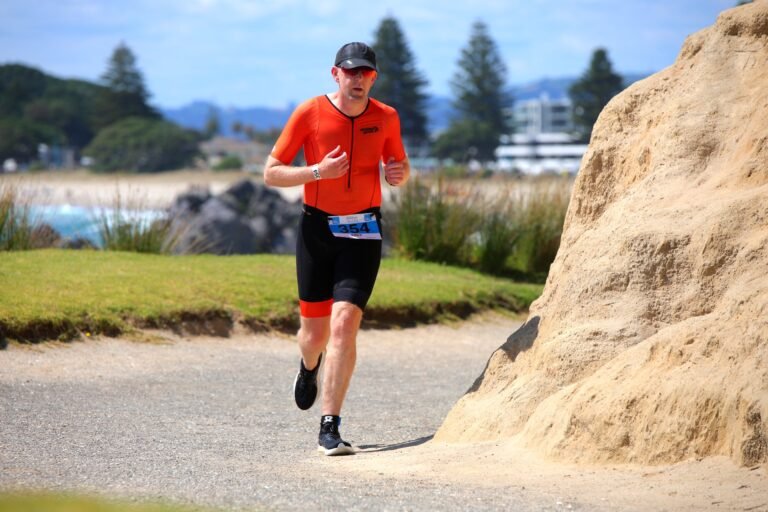
I have a garage full of outdoor gear. Running shoes, tri suits, cycling kit, hydration vests, hiking boots, trekking poles, rain jackets, down jackets, sleeping bags. After years of Munro bagging in Scotland, multi-day hiking in New Zealand, and the occasional triathlon, you accumulate a lot of stuff.
So when I started researching what to pack for Everest Base Camp, I assumed I’d be mostly sorted.
I was wrong.
Almost nothing from my running and triathlon kit transfers to a EBC packing list. The hiking gear is closer — but even there, some of it isn’t quite right. And then there’s the challenge nobody warns you about: your daypack needs to fit in an overhead locker on an international flight and be big enough to carry everything you need for 8 hours of trekking at altitude.
This is my honest, work-in-progress packing list for the Evertrek EBC via Gokyo trip in October 2026. Some of it is sorted. Some of it is still being figured out. I’ll update this article as decisions get made — and there’s a follow-up article coming on the sleeping bag question specifically, because that one deserves its own deep dive.
The 15kg Rule — Start Here
Before anything else, understand this: the domestic flight from Ramechhap or Kathmandu to Lukla has a 15kg combined weight limit for your checked duffel bag and carry-on daypack together. This makes it the main restriction when you are planning a EBC packing list.
This is not a soft limit. It’s enforced, and excess baggage fees at small Himalayan airports are painful.
The practical implication: you need to be brutal about what goes in the duffel. Everything heavy and non-essential for the day stays packed away, carried by your porter. Your daypack carries only what you need on the trail each day.
Evertrek provide a free 80-litre duffel bag — that’s your main luggage for the trek itself. Pack it, hand it to your porter each morning, and don’t see it again until you reach the next teahouse.
The Daypack Problem — Finding the Sweet Spot
This is the gear decision I’m still working through, and I suspect I’m not alone.
Your daypack needs to simultaneously:
- Fit in an overhead locker on international flights (most airlines allow 55x40x20cm, 7-10kg)
- Carry 6-8kg comfortably for 5-8 hours of trekking per day
- Have a hip belt for proper load transfer on steep terrain
- Sit in the 30-40 litre range — enough for layers, water, snacks, camera, first aid, but not so big you overpack it
I currently have two packs that don’t quite work. My Deuter Aircontact 65+10 is brilliant — I’ve used it extensively and genuinely recommend it — but at 65 litres it’s far too large for EBC daily use. My Vaude Wizard 24+4 is at the other extreme — great for day hikes but too small for a full day above 4,000m with all the layers you’ll need.
We ended up with Fjallraven packs after considering them alongside the Osprey Stratos 34 and the Cotopaxi Nazca 24. The reasons were 2 fold — we like to buy things that will last, and Fjallraven have a reputation for selling backpacks that last generations. Also, we found 2 suitable bags in their sale, meaning the main blocker for buying these (their expense) was taken out of the equation.
Elaine ended up with the Fjällräven Abisko 35 S/M and I ended up with the Fjallraven Kaipak 38. The Abisko is a newer and lighter model, with more adjustability while the Kaipak is an older model that has stood the test of time for many years. We are looking forward to trying these out in the weeks to come
Footwear — The One Thing I’m Not Worried About
Salomon X Ultra 4 GTX — sorted, and I couldn’t be more confident in this choice. These were the first item ticked off my EBC packing list.
I’ve put serious miles on these boots over the past year. They’ve handled the Kepler Track Great Walk (including some genuinely brutal conditions — think -10°C wind chill and sustained rain), the Greenstone-Caples multi-day circuit, and countless day hikes in between. They’re waterproof, grippy on wet rock, supportive on steep descents, and — crucially — already fully broken in.
This last point cannot be overstated. Never take new boots to EBC. Blisters at 5,000m are not a minor inconvenience. They’re a potential trip-ender. Whatever boots you choose, wear them for months before you go.
The Salomon X Ultra 4 GTX is one of the most widely recommended boots for EBC for good reason. Lightweight for a waterproof hiking boot, excellent Gore-Tex waterproofing, and a grip pattern that handles everything from muddy forest trails to rocky moraine.
Also bringing: one pair of lightweight camp shoes or sandals for teahouse evenings — your feet will thank you after 8 hours in boots.
The Jacket System — Layering for -20°C Nights
The key to managing EBC temperatures isn’t one magic jacket. It’s a layering system that adapts to conditions ranging from 15°C sunny mornings at lower altitude to -15°C or colder overnight at Gorak Shep.
Here’s what I’m taking:
Outer shell: Kathmandu Ridge 3L Gore-Tex Jacket
Purchased recently and already proven on the Kepler Track. Three-layer Gore-Tex construction means it’s genuinely waterproof rather than water resistant — important when Himalayan weather turns without warning. Packable enough to stuff into the top of the daypack on clear days.
Insulated layer: Macpac Sundowner Down Jacket
Also tested on Kepler and performed brilliantly in the cold. Down insulation gives an excellent warmth-to-weight ratio — critical when you’re watching every gram against that 15kg limit. This is the layer for teahouse evenings, acclimatisation days, and the pre-dawn start for Kala Patthar.
Note for non-NZ readers: Kathmandu and Macpac are New Zealand/Australian outdoor brands with a strong reputation in the southern hemisphere that don’t always get the attention they deserve internationally. Both are genuinely excellent and comparable to Northern Hemisphere equivalents at similar price points.
Evertrek also provide free hire of a down jacket — worth knowing if you don’t already own one. For me, the Macpac Sundowner is sorted, but this is a genuine cost saving for many trekkers.
Gloves — Sorted with a Two Layer System
The two glove system is the right approach for EBC — and I have both sorted:
- Liner: Icebreaker Multisport Merino gloves — lightweight, warm, and merino wool means they stay fresh across multiple days. Thin enough to use trekking poles comfortably.
- Outer: Kathmandu Gore-Tex ski gloves — waterproof, windproof, and seriously warm for the coldest sections above 5,000m and the pre-dawn Kala Patthar start.
The liner-plus-outer system lets you adapt — liners alone on mild days, both layers when conditions bite.
Socks — Nordic Socks
We discovered Nordic Socks on the Kepler Track and they were genuinely outstanding. Warm, blister-resistant, and they lasted multiple days without complaint. Taking 4-5 pairs for EBC — non-negotiable.
- Merino wool base layer (long sleeve) — currently researching options
- Mid-layer fleece
- Trekking trousers (lightweight, quick-dry)
- Thermal leggings for cold nights
Trekking Poles — Sorted
Fizan Compact Pro — already owned, already tested, already confident.
These came with me on the Kepler Track and earned their place in the kit bag. At around 230g per pole they’re among the lightest trekking poles available — important when you’re carrying them for 8 hours a day and every gram counts. Compact folding design means they pack down small for transit.
If you’re new to trekking poles, EBC is absolutely the trip to start using them. The steep descents on the Gokyo route — and particularly the Cho La Pass — are significantly harder on your knees without poles. They also provide stability on the suspension bridges, of which there are many.
For those still looking, the Leki Khumbu Lite poles are specifically named after this trek for good reason and are widely used on EBC.
Lighting — Head Torch Essential
Petzl Tikka+ — owned and sorted.
A head torch is non-negotiable for EBC. You’ll need it for the pre-dawn start to Kala Patthar (leaving around 4am for sunrise), navigating teahouse corridors at night, and reading in your sleeping bag when the power goes out — which it often does.
The Petzl Tikka+ is a reliable, lightweight option with good battery life. Bring spare batteries or a USB-rechargeable model — charging at altitude is unreliable and expensive.
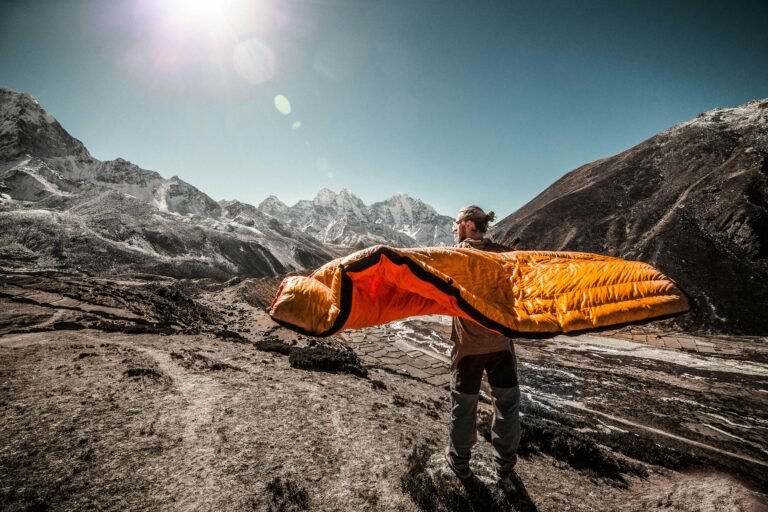
The Sleeping Bag Question — To Be Continued
This is the gear decision I’m genuinely most uncertain about, and it deserves its own article.
I own a One Planet Camp Lite -3°C sleeping bag which has been excellent for New Zealand conditions. The problem: EBC nights at Gorak Shep (5,164m) can reach -15°C to -20°C. My bag is rated to -3°C comfort. That’s a significant gap.
The options I’m weighing:
- Use the Evertrek free hire sleeping bag — rated for the conditions, zero additional cost, one less thing to pack
- Buy a warmer bag — a -20°C rated bag like the Rab Ascent 700 — expensive but useful for future trips
- Use mine plus a Sea to Summit silk liner — I already own this and used it on Kepler. A silk liner adds approximately 5°C of warmth, weighs almost nothing, and keeps your sleeping bag cleaner. The question is whether -3°C + 5°C = warm enough for -15°C nights. Spoiler: probably not on the coldest nights, but combined with the teahouse blankets and keeping fully clothed it might be borderline.
Update: see my sleeping bag article here where I explain our decision to purchase the Rab Ascent Pro 800
What Evertrek Provide — Don’t Buy Before Checking This
Before you spend money on gear, check what your guide company includes. With Evertrek, the following is provided:
- Free hire of a down jacket (worth ~£110)
- Free hire of a winter sleeping bag (on request)
- Free 80-litre EverTrek duffel bag to keep
- Filtered water on most of the trek — no need to carry heavy water purification kit
- Oximeter and heart rate monitor carried by guides
This materially changes the gear equation. You may not need to buy a sleeping bag or down jacket at all.
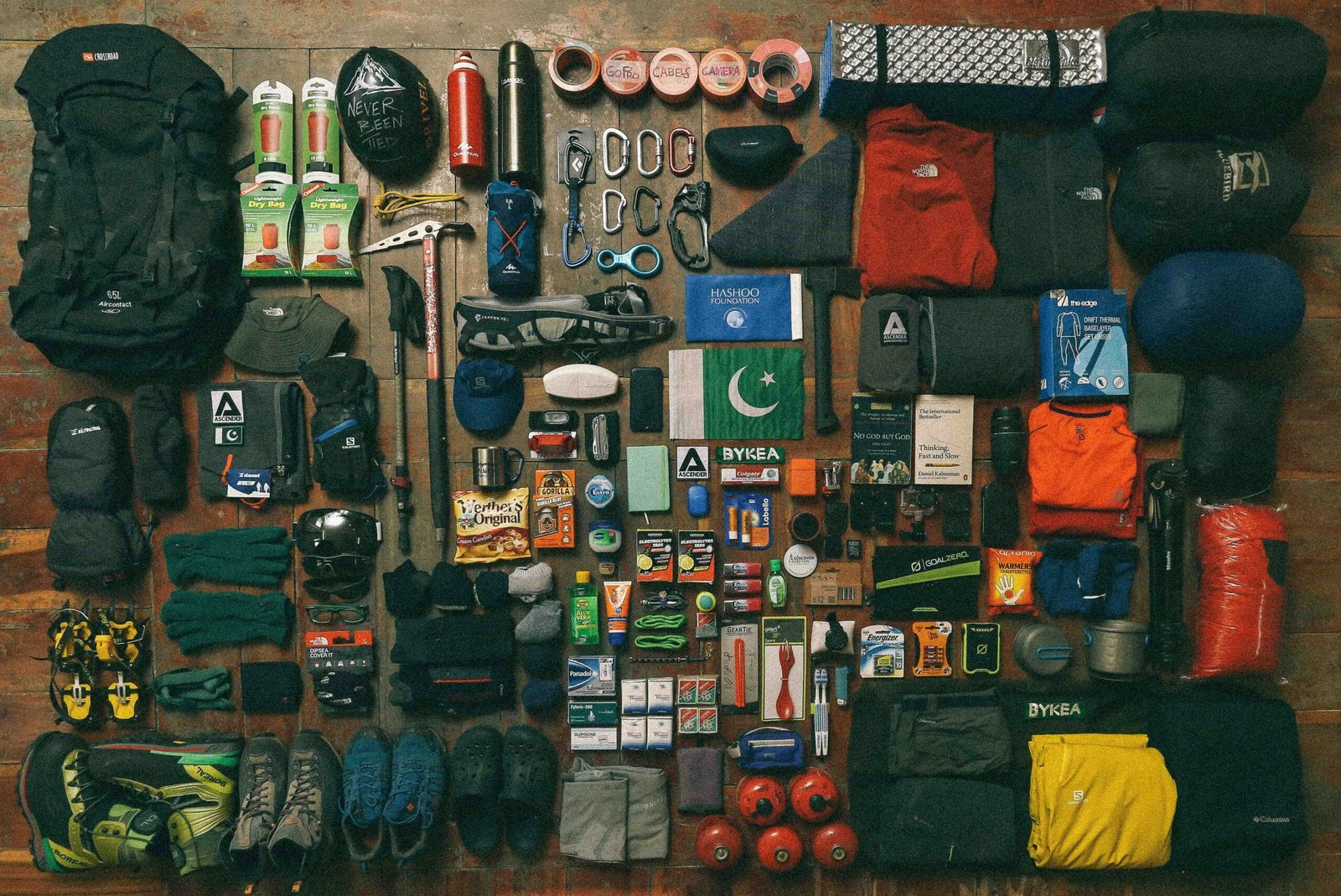
Complete EBC Packing List
Clothing
- ✅ Waterproof shell jacket (Kathmandu Ridge 3L Gore-Tex)
- ✅ Down insulated jacket (Macpac Sundowner)
- ⏳ Merino wool base layer, long sleeve
- ✅ Mid-layer fleece (Macpac Polartec fleece top)
- ⏳ Trekking trousers x 2
- ⏳ Thermal leggings
- ⏳ Warm hat
- ✅ Sun hat / cap (running caps — plenty of these)
- ✅ Gloves — Icebreaker Multisport Merino liners + Kathmandu Gore-Tex ski gloves (outer)
- ✅ Nordic Socks x 4-5 pairs
- ⏳ Underwear x 5
- ✅ T-shirts x 2-3 (Kathmandu Merino)
Footwear
- ✅ Salomon X Ultra 4 GTX hiking boots (broken in)
- ✅ Lightweight camp shoes / sandals (Montane Hut Slippers)
- ✅ Gaiters – lightweight, for dusty trail sections (Rab Kangri Gaiters)
Gear & Equipment
- ✅ Daypack — Elaine: Fjällräven Abisko 35 / Andrew: Fjällräven Kaipak 38
- ✅ Trekking poles (Fizan Compact Pro)
- ✅ Head torch (Petzl Tikka+) + spare batteries
- ✅ Sleeping bag (-15°C or warmer) (Rab Ascent Pro 800 – see sleeping bag article)
- ✅ Sleeping bag liner (Sea to Summit silk liner — see sleeping bag article)
- ⏳ Microspikes / crampons (can hire in Kathmandu or Namche)
Accessories & Essentials
- ⏳ Sunglasses (UV400 — essential at altitude)
- ⏳ Sunscreen SPF50+ (UV intensity is severe above 4,000m)
- ⏳ Lip balm with SPF
- ✅ Power bank – large capacity (30,000mAh solar power bank)
- ⏳ Universal travel adaptor
- ✅ Dry bags (Sea to Summit — proven on Kepler and Greenstone-Caples)
- ⏳ Buff / neck gaiter
- ⏳ Blister kit (Compeed, needle, alcohol wipes)
- ⏳ Basic first aid kit
- ✅ Water bottles x 2 (1 litre each – we have these lying around)
- ✅ Water purification tablets/filter (we use a Steripen)
- ⏳ Wet wipes (many — showers become rare above Namche)
- ⏳ Hand sanitiser
- ⏳ Earplugs (teahouse walls are thin)
Documents & Money
- ⏳ Passport + visa
- ⏳ Travel insurance documents (ensure it covers high altitude and emergency evacuation)
- ⏳ Cash (US dollars to convert to Nepalese Rupee in Kathmandu)
- ⏳ Emergency contact details
What I’m Leaving Behind
Just as important as what to pack is what not to pack — especially with a 15kg combined limit.
Leaving at home:
- Tri suit and cycling kit (obviously)
- Running race kit
- The Deuter 65L pack (porter carries your duffel — you don’t need a huge daypack)
- Anything cotton (cotton kills at altitude — it holds moisture and loses insulation when wet)
- More than 2 books (ruthless but necessary)
The Weight Reality Check
Here’s a rough weight breakdown to illustrate the challenge:
| Item | Approximate Weight |
|---|---|
| Daypack (empty) | 900g-1.2kg |
| Down jacket | 500-700g |
| Shell jacket | 400-600g |
| Boots (on feet) | 800g-1kg |
| Poles | 460g (pair) |
| Head torch | 100g |
| Water (2 litres) | 2kg |
| Snacks, first aid, camera | 500g-1kg |
| Total daily carry | ~7-8kg |
That’s before adding extra layers for cold days. The weight adds up faster than you think — which is why every gram saved on the pack itself and clothing matters.
My Honest Assessment So Far
Six months out from the trek, I’m more sorted than I expected on the big ticket items — boots, jackets, poles — and less sorted than I’d like on the finer details.
The daypack decision feels like the most consequential outstanding item. Get that wrong and you’ll feel it every day for two weeks.
The sleeping bag question is real and I’ll address it properly in a dedicated article shortly.
Everything else — the layers, the accessories, the documents — is a matter of ticking boxes over the coming months.
I’ll update this article as decisions get made, and I’ll write a follow-up after the trek itself: “EBC Packing List — What I Actually Used and What I Wished I’d Left Behind.” That will be the most useful version of all.
PDF – EBC Packing List
Want a handy PDF, check-box style EBC Packing List? Here you go!
Got questions about any of this kit? Drop them in the comments below. And if you’re planning EBC yourself, check out my complete guide to the trek for non-mountaineers.
Thinking about booking with Evertrek? I’m trekking with them in October 2026 and can genuinely recommend them. Check dates, prices and availability here — and you’ll get £200 off your booking.
Andrew Dillon is a data consultant, runner, and occasional triathlete based in New Zealand. He is trekking to Everest Base Camp via Gokyo with Evertrek in October 2026. Follow his journey at abovethecloudtreks.com