Best Time to Trek Everest Base Camp — An Honest Month by Month Guide (2026)
This article contains affiliate links. If you book or purchase through these links I may earn a small commission at no extra cost to you. I only recommend products and companies I genuinely use or have researched thoroughly.
When I started planning my Everest Base Camp trek, the question of timing felt straightforward. Surely there’s a “best” month and you just go then?
It turns out it’s more nuanced than that. Timing for EBC involves a balance of weather, visibility, trail crowding, temperature, and your own personal priorities. What’s best for a photographer chasing clear mountain views is different from what’s best for someone who wants a quieter, more solitary experience.
I’m trekking to EBC in October 2026 with Evertrek via the Gokyo Valley route. Choosing October was a deliberate decision — and by the end of this guide you’ll understand exactly why this is the best time to trek Everest Base Camp for me, and whether it’s the right choice for you too.
The Big Picture — Two Trekking Windows
The EBC trek has two main seasons, bookending the monsoon. Everything else — June, July, August — is effectively off limits for most trekkers due to heavy rainfall, leeches, flooded trails, and poor visibility.
Window 1: Pre-Monsoon (February to May)
Window 2: Post-Monsoon (September to December)
Both are genuinely good options. The choice between them depends on what you value most.
Month by Month Breakdown
January ❄️ — Possible but Challenging
January is the coldest month on the trail. Temperatures at higher elevations can plunge to -20°C or below overnight. The trail is quieter than peak season — sometimes eerily so — and snowfall can make the higher sections technical.
Who it suits: Experienced cold-weather trekkers who want extreme solitude and don’t mind the conditions.
Who should avoid it: First-timers, those concerned about altitude sickness (cold exacerbates symptoms), anyone not equipped for serious winter conditions.
February 🌨️ — Early Season Begins
February marks the beginning of the pre-monsoon window, though it remains cold and relatively quiet. Days are getting longer and clearer. Snow is still common at altitude.
Pros: Very few trekkers, lower teahouse prices, clear morning skies
Cons: Cold, some trail sections may be icy, limited teahouse availability in the quietest spots
March 🌸 — Pre-Monsoon Builds
March is when the pre-monsoon season properly kicks off. Temperatures are warming at lower elevations, rhododendron forests begin to bloom in vivid reds and pinks, and the trail starts to fill with trekkers.
Pros: Beautiful lower trail scenery, warming temperatures, good visibility, manageable crowds
Cons: Can be busy by late March, afternoon clouds starting to build
Verdict: A strong month — particularly beautiful on the approach trails through Phakding and Namche.
April 🌺 — Peak Pre-Monsoon Season
April is one of the two most popular months on the trail, alongside October. The rhododendrons are in full bloom, temperatures are at their most comfortable for trekking, and Everest climbing expeditions are setting up at Base Camp — adding an extraordinary atmosphere you won’t find at other times of year.
Pros:
- Optimal temperatures at all elevations
- Rhododendrons blooming magnificently
- Everest expedition season adds excitement at Base Camp
- Excellent mountain visibility in the mornings
- Long daylight hours
Cons:
- Busiest month on the trail — teahouses can be full, particularly in Namche
- Book well in advance
- Afternoon clouds are common (mornings remain clear)
Verdict: If you want the classic EBC experience at its most vibrant, April is hard to beat. Just book everything early.
May 🌤️ — Late Pre-Monsoon
May offers a similar experience to April but with increasingly unpredictable weather as the monsoon approaches. The first week or two of May can be excellent. By late May, conditions deteriorate.
Pros: Still good conditions early in the month, slightly fewer trekkers than April
Cons: Monsoon arrives late May/early June — timing is critical, weather less predictable
Verdict: Fine for early May departures, risky for late May. Check forecasts carefully.
June, July, August 🌧️ — Monsoon Season
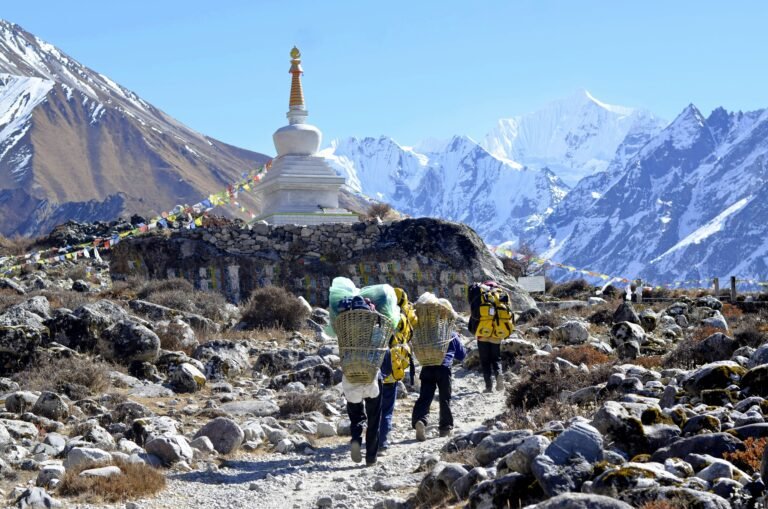
The monsoon arrives from the Bay of Bengal and transforms the Khumbu. Heavy daily rainfall, low cloud obscuring the mountains, muddy and slippery trails, and an explosion of leeches at lower elevations make trekking genuinely unpleasant.
Can you trek EBC in monsoon? Technically yes. Some trekkers do complete it. But visibility is severely compromised — you may see almost nothing of the mountains — and the experience is a fraction of what it should be.
Verdict: Avoid unless you have no other option.
September 🍂 — Post-Monsoon Opens
September marks the beginning of the post-monsoon window. The monsoon clears — usually by mid-September — leaving the air washed clean and the mountains strikingly visible. Vegetation is lush and green from the summer rains. It’s a genuinely beautiful time to trek.
Early September can still see residual monsoon weather. By late September the trail is reliably good.
Pros: Crystal clear air and visibility after monsoon, lush green scenery, fewer trekkers than October
Cons: Early September can be unpredictable, nights getting colder
Verdict: Late September is excellent — an underrated time to trek that avoids the October peak crowds.
October 🏔️ — Peak Post-Monsoon Season (My Choice)
October is widely considered the single best month to trek EBC — and it’s when I’m going.
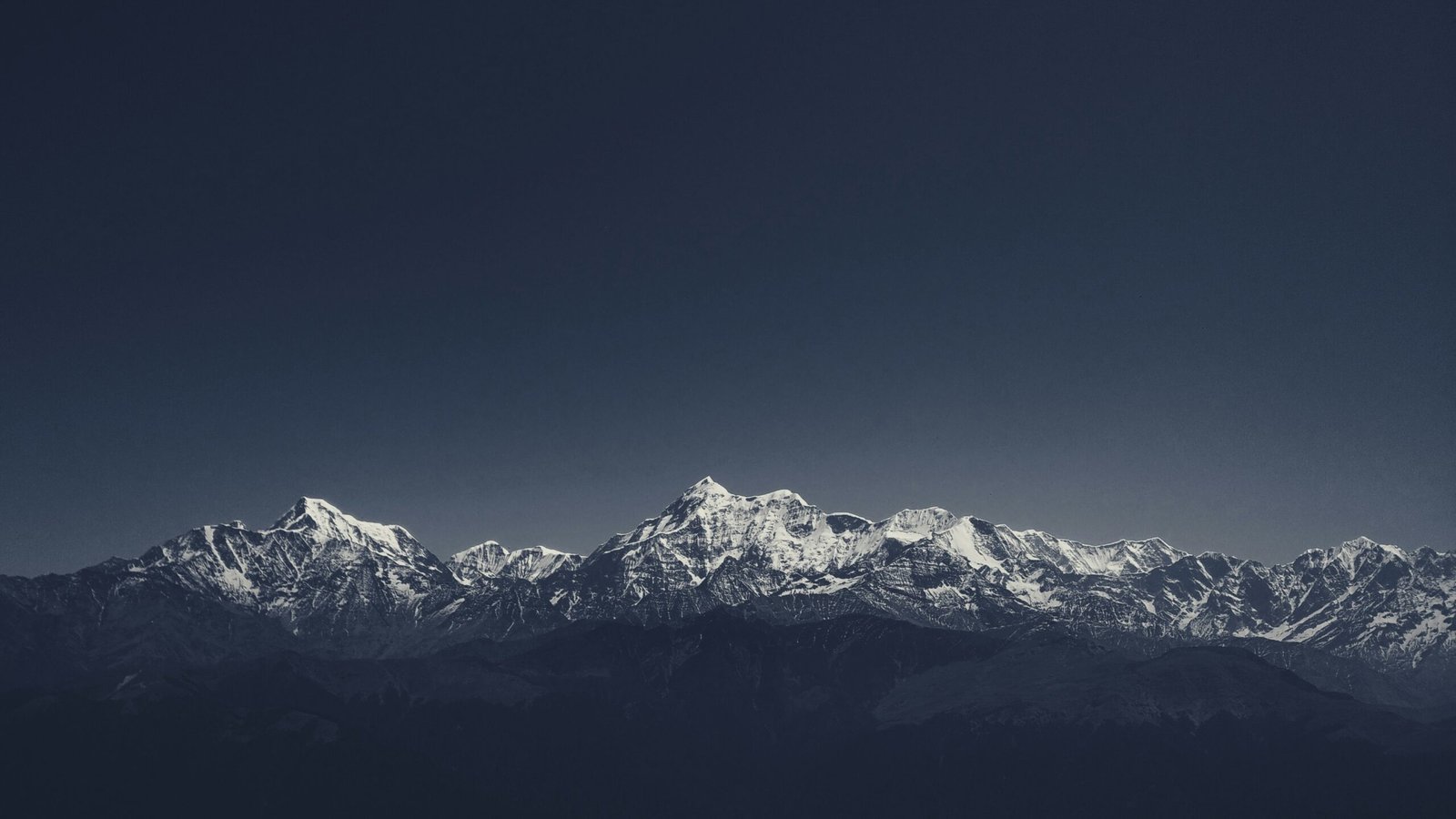
The monsoon is fully cleared. The skies are a deep, clear blue. Visibility is extraordinary — on a clear day at Kala Patthar you can see for hundreds of kilometres in every direction. The air is crisp and cool but not yet brutally cold. Daytime temperatures are comfortable for trekking at lower elevations.
Pros:
- Best overall visibility of the year — crystal clear mountain views
- Stable weather patterns — reliable day after day
- Comfortable daytime temperatures at lower elevations
- The most photogenic conditions on the trail
- Still relatively manageable crowds compared to April
Cons:
- Busiest post-monsoon month — Namche and popular teahouses fill up
- Nights are cold, particularly above 4,000m
- Book teahouses and guides well in advance
Why I chose October: The visibility factor was decisive for me. After years of hiking in Scotland where mountains disappear into cloud for weeks at a time, the idea of crystal clear skies and unobstructed Everest views was too compelling to compromise on. The cold I can manage — I’ve done -10°C wind chill on the Kepler Track in New Zealand. The visibility, you can’t manufacture.
Verdict: The best overall month for most trekkers. Book as early as possible.
November 🌬️ — Cold But Spectacular
November offers many of October’s advantages — clear skies, good visibility, fewer trekkers — but with significantly colder temperatures, particularly at altitude. Night temperatures at Gorak Shep can drop to -20°C or below.
Pros: Fewer trekkers than October, still excellent visibility, lower teahouse prices
Cons: Cold — you need serious cold weather gear, some higher teahouses start closing late November
Verdict: Excellent for experienced cold-weather trekkers who want fewer crowds. Gear up properly.
December ❄️ — Winter Arrives
December sees the trail quietening significantly as temperatures drop further. The lower sections remain trekable but the high route — particularly the Cho La Pass on the Gokyo variant — becomes more technical with ice and snow.
Pros: Very few trekkers, peaceful, lower costs
Cons: Seriously cold at altitude, some teahouses closed, shorter daylight hours
Verdict: For experienced trekkers only, with appropriate winter gear.
Head to Head — Spring vs Autumn
| Factor | Spring (Mar-May) | Autumn (Sep-Nov) |
|---|---|---|
| Visibility | Good mornings, cloudy afternoons | Excellent — clearest of the year |
| Temperature | Warmer at lower elevations | Cooler, cold at altitude |
| Crowds | Very busy (April peak) | Busy (October peak) |
| Scenery | Rhododendrons blooming | Post-monsoon green + clear skies |
| Atmosphere | Everest expedition season | Quieter, more contemplative |
| Photography | Beautiful flora | Best mountain shots of the year |
| Best months | March, April | October, late September |
What About the Gokyo Route — Does Timing Change?
If you’re taking the Gokyo Valley variant via the Cho La Pass — as I am — timing matters slightly more than on the classic route.
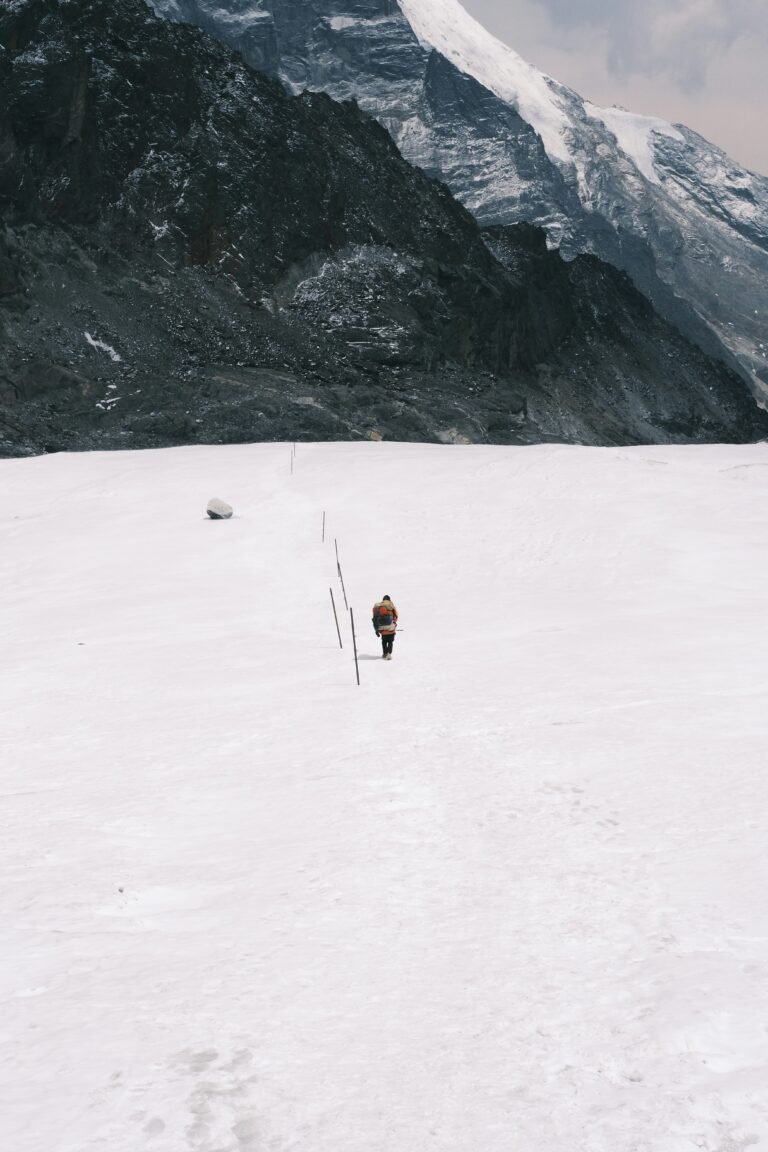
The Cho La Pass (5,420m) involves an icy, rocky descent that can become genuinely technical in winter conditions. In October this is manageable with care and good guides. By late November it becomes more serious. In December and January it can be closed entirely after heavy snowfall.
For the Gokyo route specifically, October is the sweet spot — conditions are good enough that the pass is straightforward for a fit, guided trekker, but before the serious cold of late autumn sets in.
Practical Advice — Booking Around Timing
How far in advance should you book?
Evertrek, who operate my trip, suggest booking 12-18 months in advance for the best choice of departure dates — particularly for October and April which fill up fast. That said, last-minute spots sometimes appear.
Should you book flights with buffer days?
Yes — absolutely. Mountain weather is unpredictable and the Lukla flight is notorious for delays and cancellations. Build at least one buffer day on either end of your trek. Many experienced EBC trekkers build two.
Travel insurance and timing
Whatever month you go, ensure your travel insurance covers high altitude trekking (typically defined as above 4,000m or 6,000m depending on the policy) and emergency helicopter evacuation. This is non-negotiable. World Nomads is a popular choice for adventure trekkers.
My Recommendation on the Best Time to Trek Everest Base Camp
For most first-time EBC trekkers, October is the best month. The combination of reliable clear skies, stable weather, and comfortable (if cool) daytime temperatures makes it the most consistently rewarding experience on the mountain.
If October doesn’t work for your schedule, late March or April is an excellent alternative — warmer, with the added spectacle of the rhododendrons and Everest expedition season.
Avoid: June, July, August entirely. Be cautious about late May and late November unless you’re experienced and well equipped.
Wherever you are in your planning, the most important thing is simply to go. The mountain rewards every trekker who prepares properly and respects the altitude — regardless of which month they arrive.
Thinking about booking EBC? I’m trekking with Evertrek in October 2026 and can genuinely recommend them — voted the UK’s No.1 adventure trekking company with a 95% success rate. Check dates and availability here — and you’ll receive £200 off your booking.
Andrew Dillon is a data consultant, runner, and occasional triathlete based in New Zealand. He is trekking to Everest Base Camp via Gokyo with Evertrek in October 2026. Read his complete EBC guide for non-mountaineers and his honest EBC packing list.