Combining Bhutan and EBC in One Trip — How We Planned Ours
This article contains affiliate links. If you book or purchase through these links I may earn a small commission at no extra cost to you. I only recommend products and companies I genuinely use or have researched thoroughly.
When we first started planning our October 2026 trip, EBC was the goal and Bhutan was an afterthought — something we mentioned in passing as a “maybe if we’re already in the region.” Six months of planning later, Bhutan is fully booked with Intrepid Travel and we’re spending three weeks trekking in Nepal followed immediately by the Trans Bhutan Trail.
Combining Bhutan and EBC makes more sense than it might look on paper. Here’s why, how we planned it, and what you need to think through if you’re considering the same.
Why the Combination Works
Nepal and Bhutan are 90 minutes apart by air and light-years apart in character. That contrast is exactly what makes the combination so compelling.
EBC is three weeks of physical intensity — big days on the trail, altitude stress, teahouse dormitories, limited washing, dal bhat twice a day. The Khumbu is dramatic and raw and genuinely demanding. By the time you’re back in Kathmandu it’s a landscape that’s tested everything you had.
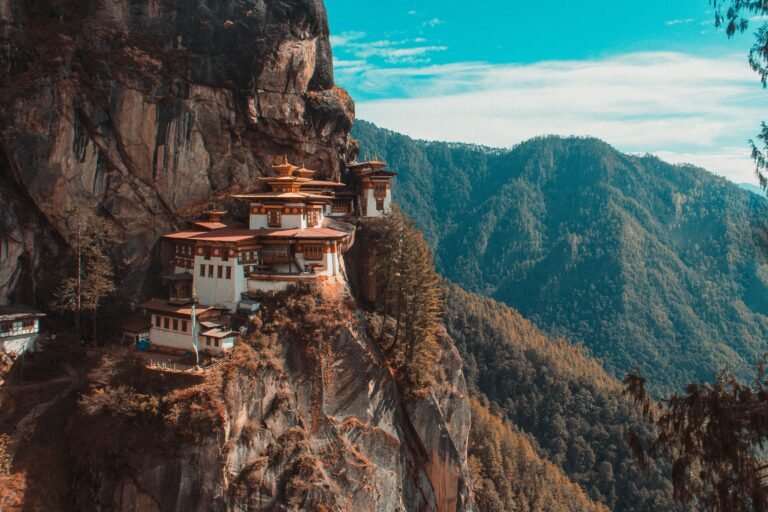
Bhutan is almost the opposite. Bhutan is tiny, controlled, monarchical, Buddhist, and constitutionally quiet — a place where the government actively limits tourist numbers and the SDF ensures only committed visitors show up. The Trans Bhutan Trail is hiking, not trekking at this altitude — a different physical register entirely.
The experiential contrast works in both directions. Coming to Bhutan after EBC means you arrive with perspective — you’ve just been on one of the most famous trails on earth, and you’re stepping into a country that feels like it exists outside the normal rules of tourism. Coming to EBC after Bhutan (the other sequencing option) means you arrive in Nepal already altitude-exposed from Bhutan’s 2,000–3,000m elevations, which has real physiological benefits.
The Two Sequencing Options
Option 1 — EBC First, Then Bhutan (Our Approach)
Why we chose this: EBC is the harder physical challenge and requires the most specific weather window — October is the prime month for the Khumbu. Booking Bhutan after EBC means we can extend the Bhutan portion if we want to, or shorten it, without affecting the EBC dates. It also means Bhutan functions as a recovery period after three weeks at altitude — the Trans Bhutan Trail is beautiful and challenging but it’s not 5,364 metres.
The practical concern: Your body is going to be tired. Three weeks at altitude followed immediately by another trekking trip requires you to be honest about your fitness and recovery. We’re banking on the fact that EBC will be demanding but not depleting — and the altitude training sessions from June should help.
Logistics: Kathmandu to Paro (Bhutan’s main airport) is roughly 90 minutes by air. We booked with Druk Air — their schedule became available slightly earlier than Bhutan Airlines, which made the planning easier. Flights aren’t frequent so check schedules carefully and build a buffer day in Kathmandu between the end of EBC and your Bhutan flight. We’re using our three post-trek Kathmandu nights as that buffer before flying to Paro.
Option 2 — Bhutan First, Then EBC
Beginning with Bhutan gives gradual altitude acclimatisation at 2,250 metres in Paro and Thimphu, then 3,000 metres in Gangtey, before flying to Kathmandu and beginning the Nepal trek with a physiological advantage. This sequencing works particularly well for EBC, where the starting altitude at Lukla at 2,860 metres is close to what your body has already adjusted to in Bhutan.
The case for this order: If altitude acclimatisation is your primary concern, doing Bhutan first is genuinely smart. You’re arriving at Lukla already adapted to 2,000–3,000m, which makes the first few days of the trek significantly easier. It’s a natural and underused training effect.
The practical concern: Your Bhutan tour is now fixed at the front end, which means EBC dates are locked to whatever window comes after. October is the obvious EBC slot, which would mean Bhutan in September — doable but the tail end of monsoon season in Bhutan means some rain is likely.
Our verdict: Option 1 made more sense for us because EBC was the trip we’d planned longest and had the most specific weather requirements. But if altitude sickness is a significant concern, Option 2 is worth serious consideration.
How to Get Between Nepal and Bhutan
The only way in or out of Bhutan by air is through Paro International Airport, one of the world’s most technically demanding approaches — surrounded by mountains and requiring a specially certified pilot. Only Druk Air and Bhutan Airlines operate here.
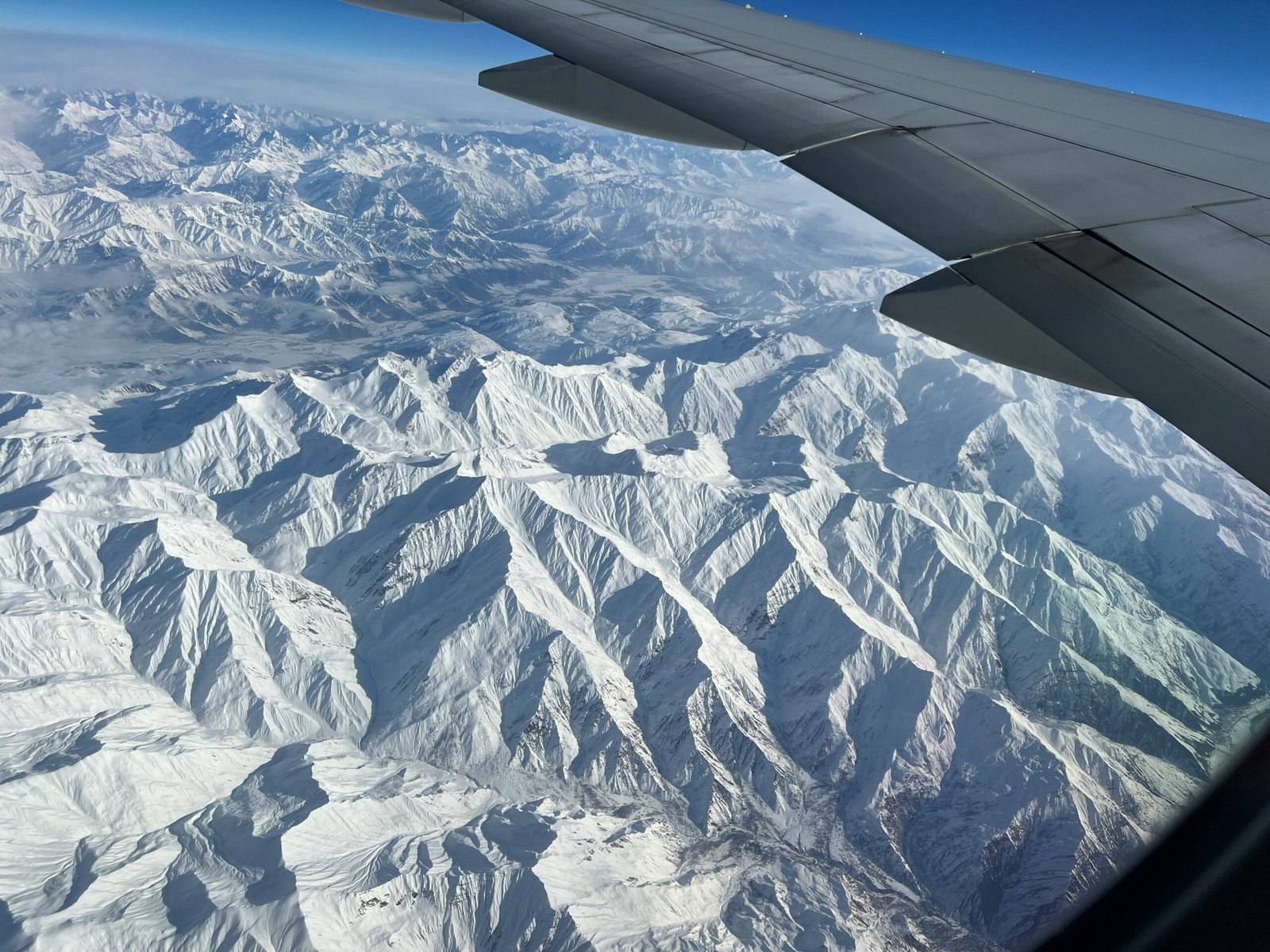
Flights between Kathmandu and Paro run several times a week and take approximately 90 minutes. The flight itself is spectacular — on a clear day you see the Himalayan range including Everest from the window.
Timing matters. Book flights early — seats are limited and October/November is peak season for both countries simultaneously. We booked our Druk Air Kathmandu–Paro flights at the same time as our EBC operator, months in advance.
Our cost: NZD $1,470 return for two people on Druk Air. Bhutan Airlines is the only alternative and pricing is comparable — whichever airline has availability first is the practical answer.
What to Sort in Advance
Two separate operators. Nepal and Bhutan require separate licensed operators. We’re using Evertrek for EBC and Intrepid Travel for Bhutan. They operate independently — your Nepal guide hands over at Kathmandu airport and your Bhutan guide meets you at Paro. Coordinate your dates carefully so there’s no gap where you’re unaccompanied.
Two separate visas. Nepal visa is on arrival ($50 USD). Bhutan visa must be arranged through your operator in advance, with the SDF paid before the visa is issued. Build two to three weeks of lead time for the Bhutan visa — don’t leave it late.
Travel insurance that covers both. Check whether your policy covers high-altitude trekking in Nepal and trekking in Bhutan. We’re using Cover-More NZ — NZD $1,065 for the base policy covering both countries and the full trip duration. For non-NZ readers, World Nomads covers adventure activities in both countries — confirm the specific policy terms before purchasing.
SDF confirmation. As covered in the Bhutan SDF guide, the Sustainable Development Fee is USD $100 per person per night in Bhutan. Confirm with your operator whether it’s included in the headline price or billed additionally. With Intrepid it’s included — not all operators handle it the same way.
The Budget Reality
This is not a cheap combination. Here’s our actual cost breakdown for two people:
| Item | Cost (two people) |
|---|---|
| International flights (NZ → Edinburgh → Kathmandu) | NZD ~$4,500 |
| EBC via Gokyo — Evertrek (with £200 discount) | ~NZD $8,500 |
| Internal Nepal flights (Lukla return) | ~NZD $1,400 |
| Nepal accommodation (pre/post trek, 6 nights) | ~NZD $1,200 |
| Bhutan — Intrepid Trans Bhutan Trail (inc. SDF) | ~NZD $15,000 |
| Druk Air Kathmandu to Paro return | NZD $1,470 |
| Insurance (Cover-More NZ) | NZD $1,065 |
| Gear, vaccinations, visas, misc | ~NZD $4,000 |
| Total | ~NZD $37,135 |
This is the honest number for a trip of this scope and duration. It’s a significant investment and we’ve been planning and saving for it deliberately. The full EBC cost breakdown is in the Everest Base Camp Cost guide.
Is It Too Much in One Trip?
Honestly — it’s a lot. Six-plus weeks of travel, three weeks of serious trekking at altitude, then immediately into another country and another trail. We’ve had conversations about whether it’s too ambitious.
What settled it for us was the Kepler Track in April. Coming off four days on the Kepler — 60km, 15kg packs, -10°C wind chill on day two — feeling strong rather than depleted gave us genuine confidence that our fitness is at the level where this is achievable rather than reckless. The altitude training programme from June is building on that.
The honest advice: know yourself. If you’re already a multi-day trekker with good fitness and altitude experience, the combination is an extraordinary trip. If EBC would be your first multi-day trek, adding Bhutan immediately after is likely too ambitious — do EBC on its own, do it well, and come back to Bhutan separately.
For us, it’s the right trip at the right time. We’ll update this article honestly when we’re back in December.
Practical Summary
| EBC (Nepal) | Bhutan | |
|---|---|---|
| Operator | Evertrek | Intrepid Travel |
| Duration | 18 days trekking | Trans Bhutan Trail |
| Visa | On arrival, $50 USD | In advance, $40 USD |
| Daily fee | None beyond permits | SDF $100 pp/night |
| Guide required | Yes (mandatory) | Yes (mandatory) |
| Connection | Druk Air Kathmandu → Paro, ~90 mins | — |
More From Above the Cloud Treks
- Bhutan Sustainable Development Fee — What It Covers
- EBC Trek Guide for Non-Mountaineers
- Everest Base Camp Cost — Full Budget Breakdown
- Guided vs Independent EBC Trek
- Altitude Sickness on the EBC Trek
Andrew Dillon is a data consultant, runner, and triathlete based in Auckland, New Zealand. He is trekking EBC via Gokyo with Evertrek in October 2026 before joining the Trans Bhutan Trail with Intrepid Travel in November 2026. Follow his journey at abovethecloudtreks.com.