How Difficult is the Everest Base Camp Trek? An Honest Assessment (2026)
This article contains affiliate links. If you book or purchase through these links I may earn a small commission at no extra cost to you. I only recommend products and companies I genuinely use or have researched thoroughly.
When I first started researching Everest Base Camp, the difficulty question was the one I kept coming back to. Not because I was worried about the hiking itself — I’ve spent years on the hills — but because EBC felt like it existed in a different category entirely. Himalayan. High altitude. Serious.
So, how difficult is the Everest Base Camp trek really?
The honest answer, after months of research and preparation, is this: EBC is harder than most day hikes and easier than most people fear — with one significant exception.
That exception is altitude. And it changes everything.
I’m Andrew Dillon, a Scottish hiker now based in Auckland, New Zealand. I’m trekking to EBC via Gokyo with Evertrek in October 2026. This is my honest pre-trek assessment of the difficulty — written for reasonably fit hikers who are wondering whether they’re ready.
The Short Answer
Evertrek rate the EBC via Gokyo trek as “Challenging” — their second highest difficulty rating. That’s an honest assessment and I think it’s right.
But challenging doesn’t mean impossible, and it doesn’t mean elite. It means you need a solid fitness base, several months of preparation, and a realistic understanding of what you’re taking on.
If I were to rate it on a personal scale — with the Kepler Track Great Walk in New Zealand sitting at a 4 out of 10 — I’d put EBC via Gokyo at a 7. The difference between those numbers is almost entirely altitude. The terrain, the daily distances, the consecutive days — all manageable for a reasonably fit, well-prepared hiker. The altitude is the wildcard that no amount of fitness fully neutralises.
What Makes EBC Difficult — And What Doesn’t
The Terrain — Less Scary Than It Looks
Let’s start with good news. EBC is a hiking trek, not a mountaineering expedition. You don’t need technical climbing skills, rope experience, or ice axe training for the standard route.
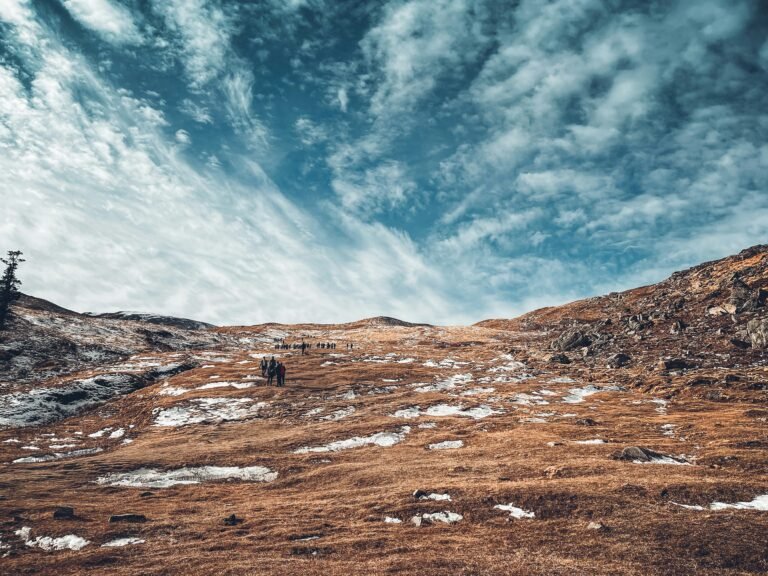
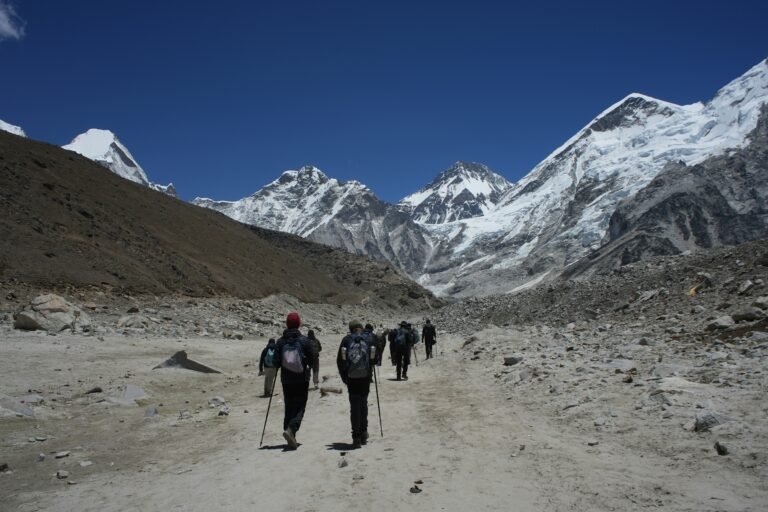
The trail involves steep ascents and descents, rocky paths, suspension bridges, and at higher elevations, glacial moraine. It’s rugged and it demands respect. But it’s walking — sustained, high-altitude walking, but walking nonetheless.
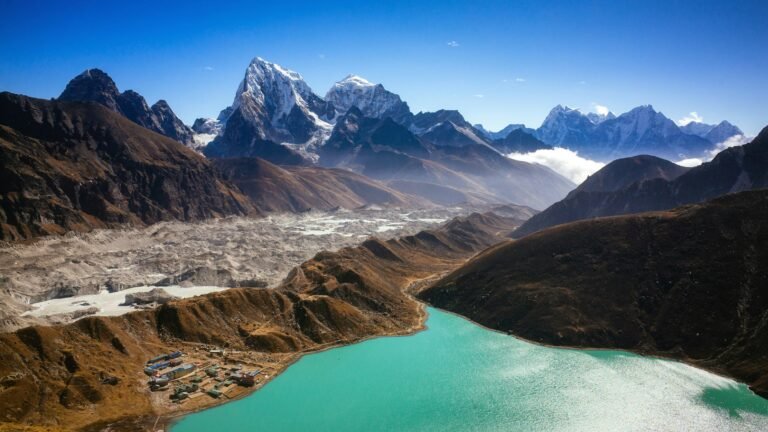
The Gokyo route I’m taking adds one more challenging element: the Cho La Pass at 5,420m. This involves an icy, rocky descent where microspikes or crampons are recommended. Having read the Evertrek guide and spoken to experienced trekkers, I’m not particularly concerned about this section. I have enough multi-day hiking experience that technical terrain on a well-guided route doesn’t worry me. The key word is guided — your Evertrek guides will assess conditions on the day and lead you through safely.
Terrain difficulty rating: 5/10 — demanding but achievable for experienced hikers.
Daily Distance and Duration — More About Endurance Than Speed
You’ll walk 5-8 hours per day on average, covering roughly 7-21km depending on the stage. Some days are deliberately shorter — built-in acclimatisation days at Namche Bazaar and Gokyo give your body essential time to adjust.
The pace is slow by running or even day-hiking standards. EBC is about endurance, not speed. The slowest trekkers often do best because they conserve energy and allow their bodies to acclimatise naturally.
The daily routine that Evertrek describe is well structured: early start around 7am, 3-4 hours of morning trekking, lunch at a teahouse, 2-3 more hours in the afternoon, arrival at the next lodge before dark. It’s a rhythm that becomes surprisingly comfortable after the first few days.
Daily distance difficulty rating: 4/10 — the distances themselves aren’t the challenge.
Consecutive Days — The Fatigue Question
Eighteen consecutive days of trekking is the aspect of EBC that I hear less about than I’d expect. Most people focus on altitude and forget that your body will be working hard, day after day, with no proper rest days.
Personally, this is one of my lower concerns. I’ve built a training base that involves activity almost every day, and the Kepler Track — 60km over 4 days with a 15kg pack — showed me that my body handles multi-day effort well. I came off the Kepler feeling strong, which gave me real confidence.
That said, consecutive days at altitude are a different proposition to consecutive days at sea level. Altitude affects sleep quality, appetite, and recovery. You may feel physically tired in ways that rest doesn’t fully address. The combination of fatigue and altitude is where things get genuinely interesting — and where mental resilience becomes as important as physical fitness.
Consecutive days difficulty rating: 4/10 at sea level — potentially 6/10 when altitude is factored in.
The Cho La Pass — The Most Technical Section
On the Gokyo route, the Cho La Pass (5,420m) is the most demanding single section of the trek. The ascent involves steep rocky terrain and the descent is icy — crampons or microspikes are recommended and your guides will advise on the day.
It sounds intimidating on paper. In practice, for a fit, experienced hiker with a good guide, it’s a challenging but entirely achievable mountain pass. Thousands of guided trekkers complete it every season.
My honest concern level: 1 out of 10. The combination of experience, guides, and a good group means this section doesn’t worry me particularly. The views from the top — Ama Dablam, Cholatse, the Gokyo Valley spread below — make every difficult step worthwhile.
Cho La Pass difficulty rating: 7/10 on the day — but manageable with guides.
Altitude — The One Thing That Changes Everything
Here’s where the honest assessment gets serious.
Altitude is my biggest concern going into this trek — and I’d rate it 4 out of 5 in terms of personal worry. Not because I think I’m unfit or unprepared, but because altitude sickness is genuinely unpredictable in a way that other challenges aren’t.
At Everest Base Camp (5,364m) and Kala Patthar (5,550m), oxygen levels are roughly half what they are at sea level. Your body is doing the same physical work with dramatically less available oxygen. Simple tasks feel strenuous. Sleep is disrupted. Appetite disappears. Headaches arrive uninvited.
The critical thing to understand is this: altitude doesn’t care how fit you are. Elite athletes get altitude sickness. Sedentary people sometimes walk to Base Camp without a symptom. Your VO2 max, your race times, your training volume — none of these are a reliable predictor of how your body will respond to thin air.
What does reduce the risk is a well-designed itinerary with proper acclimatisation time. The Evertrek schedule builds in rest days at Namche Bazaar (3,440m) and Gokyo (4,790m) for exactly this reason — they’re essential, not optional. The principle is “trek high, sleep low” — ascending during the day and sleeping at a lower altitude wherever possible.
Symptoms to watch for:
- Persistent headache
- Nausea or loss of appetite
- Dizziness or disorientation
- Shortness of breath beyond what exertion explains
- Poor sleep — more than usual at altitude
What to do if symptoms appear: Tell your guide immediately. Evertrek guides carry oximeters and heart rate monitors and have extensive experience with altitude. Even descending 300-500m can provide significant relief quickly. The guides know this and will act accordingly.
Diamox (Acetazolamide) is worth discussing with your GP before the trip. Many EBC trekkers use it as a preventative. It doesn’t eliminate altitude sickness risk but can reduce it meaningfully. I’m having that conversation at my GP appointment shortly.
Altitude difficulty rating: 8/10 — the defining challenge of the entire trek.
Mental Resilience — The Underrated Factor
Eighteen days is a long time. Particularly if altitude is affecting your sleep, your appetite, and your general sense of wellbeing.
My personal concern level for mental resilience is low — a 2 out of 10. Years of half marathon training and triathlon preparation have built a solid foundation for pushing through discomfort. When your legs are burning on the Cho La Pass ascent or your head is pounding at Gorak Shep, you draw on the same reserves you built in hard training sessions.
But — and this is important — mental resilience for EBC is not something you can fully replicate in training. The combination of altitude, consecutive days, unfamiliar food, basic accommodation, and being far from home creates a psychological environment unlike anything most trekkers have experienced. Some people find the simplicity liberating. Others find the sustained discomfort harder than they expected.
The best preparation, beyond physical training, is going in with realistic expectations. EBC will be hard. Some days will be harder than others. That’s not a failure of preparation — it’s the nature of the experience.
Mental difficulty rating: 6/10 — harder to prepare for than the physical elements.
The Kepler Track Comparison
For New Zealand and Australian readers, the Kepler Track Great Walk in Fiordland is a useful benchmark. I completed it in April 2026 — 60km over 4 days, 2,000m of ascent, 15kg pack, conditions hitting -10°C wind chill on the exposed ridge sections.
I’d rate the Kepler at 4 out of 10 overall. It was genuinely challenging but never overwhelming. I came off it feeling strong and confident.
EBC via Gokyo I’d rate at 7 out of 10 — and the 3-point gap between those numbers is almost entirely explained by altitude. The terrain isn’t dramatically harder than a challenging NZ Great Walk. The daily distances are similar. The consecutive days are more numerous but not fundamentally different in nature.
Altitude is the variable that elevates EBC from a demanding long-distance hike to something genuinely serious.
If you’ve done the Kepler, Routeburn, or similar multi-day alpine trails and handled them well, you have a meaningful foundation for EBC. You’re not starting from zero. But you should go in clear-eyed about what altitude adds to the equation.
Who Can Do EBC?
The honest answer: most reasonably fit people who prepare properly.
You don’t need to be an athlete. You don’t need mountaineering experience. You don’t need to be at your peak fitness. What you need is:
- A solid aerobic base — able to hike 4-6 hours per day with a 6-8kg pack
- Several months of consistent training with a focus on hiking, not just gym work
- Realistic expectations about altitude and its effects
- A willingness to listen to your body and your guides
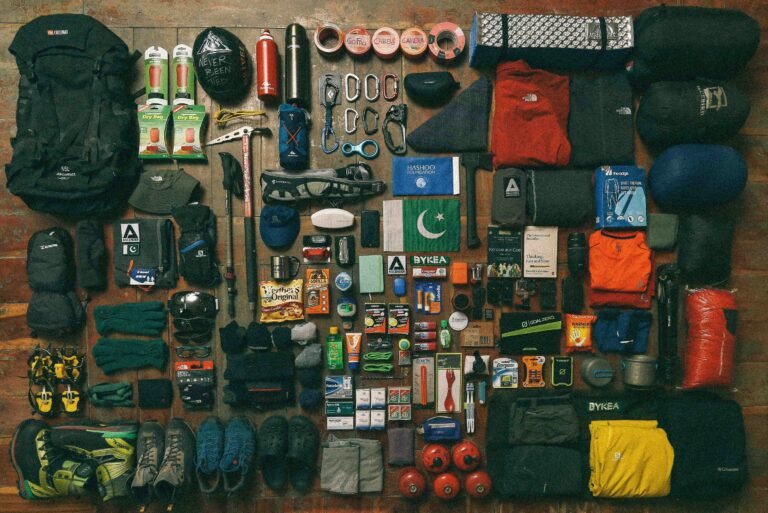
- The right gear — particularly warm layers and broken-in boots
What you don’t need to worry about excessively:
- Technical climbing skills
- Extreme cold (manageable with the right layering system)
- The trail itself being impassable — it’s well established and well guided
What Evertrek Say About Difficulty
Evertrek are direct about this on their own materials: the EBC via Gokyo trek is challenging but achievable for most active hikers with proper preparation. Their specific benchmarks are:
- Hike for 4-6 hours per day with a 6-8kg daypack
- Climb 500-800m of elevation gain including steep and uneven terrain
- Handle multi-day hikes with consistent pace and no full rest days
They recommend training 4-5 times per week for at least 3-4 months before departure. Their 95% trek success rate — the highest of any UK operator — suggests that with proper preparation, the vast majority of people who attempt EBC with them reach Base Camp.
My Honest Difficulty Summary
| Factor | My Concern Level | Difficulty Rating |
|---|---|---|
| Terrain and trail | Low | 5/10 |
| Daily distances | Low | 4/10 |
| Consecutive days | Low-medium | 4-6/10 |
| Cho La Pass | Very low | 7/10 on the day |
| Altitude | High | 8/10 |
| Mental resilience | Low-medium | 6/10 |
| Overall | Medium | 7/10 |
The pattern is clear. EBC is a 4-5 out of 10 physically demanding hike that altitude elevates to a 7. Address the altitude question seriously — choose an operator with proper acclimatisation days built in, consider Diamox, know the symptoms, trust your guides — and you’ve addressed the defining challenge of the trek.
Everything else is hiking. And hiking is something you can prepare for.
A Note on Going Guided
One factor that significantly affects the difficulty equation is whether you go with a guide or independently.
Going with a reputable guided operator like Evertrek means:
- Experienced guides who know the altitude warning signs
- Medical equipment including oximeters carried throughout
- Itineraries designed with proper acclimatisation built in
- Someone to make the descent call if needed — before you need to make it yourself
- The psychological comfort of being with a group
For a first EBC attempt, particularly for anyone with altitude concerns, a guided trek genuinely reduces the difficulty rating. It doesn’t remove the challenge — but it provides infrastructure that makes the challenge more manageable.
Thinking about EBC with Evertrek? I’m trekking with them in October 2026. Check dates and availability here — and receive £200 off your booking.
FAQ
How difficult is the Everest Base Camp trek?
The EBC trek is classed as moderate to challenging. The difficulty comes primarily from altitude rather than technical terrain — the trails are well-marked and don’t require mountaineering skills, but sustained days at 4,000–5,000 metres with cumulative fatigue makes it genuinely demanding. Most reasonably fit people can complete it with proper preparation.
Do you need to be fit to trek Everest Base Camp?
Yes — a reasonable baseline fitness is essential. You don’t need to be an athlete, but you should be comfortable with 6–8 hours of walking per day over consecutive days, ideally with some experience on multi-day hikes. Building cardiovascular fitness and leg strength in the months before the trek makes a significant difference.
Is EBC harder than Kilimanjaro?
They’re comparable in maximum altitude — EBC reaches 5,364 metres, Kilimanjaro’s summit is 5,895 metres — but the EBC trek is longer (typically 14–18 days vs 6–8 for Kili) with more cumulative elevation gain. Most people who’ve done both describe EBC as harder overall due to the duration, though Kilimanjaro’s final summit push is more intense.
Is the Gokyo Valley route harder than the classic EBC route?
Yes — the Gokyo route including Cho La Pass (5,420 metres) is more demanding than the classic trail. The pass crossing involves a steep ascent and glacier section that requires care, particularly if there’s snow or ice. The reward is significantly more dramatic scenery and fewer trekkers on the trail.
How many days do you need to trek to Everest Base Camp?
A minimum of 14 days is recommended for the classic route — anything shorter doesn’t allow adequate acclimatisation time and significantly increases your risk of altitude sickness. The Gokyo Valley route typically takes 16–18 days. Longer itineraries are safer and more enjoyable.
Can a beginner trek to Everest Base Camp?
A complete hiking beginner would struggle — EBC requires sustained physical effort over two to three weeks at altitude. However, you don’t need Himalayan experience to attempt it. If you’ve completed multi-day hikes, are reasonably fit, and give yourself several months of proper preparation, EBC is achievable for motivated first-timers.
For more on preparing for EBC, read my complete training guide, honest packing list, full cost breakdown, and best time to trek guide.
Andrew Dillon is a data consultant, runner, and occasional triathlete based in Auckland, New Zealand. He is trekking to Everest Base Camp via Gokyo with Evertrek in October 2026. Follow his journey at abovethecloudtreks.com