Altitude Sickness on the Everest Base Camp Trek — Symptoms, Diamox, and What Actually Works
This article contains affiliate links. If you book or purchase through these links I may earn a small commission at no extra cost to you. I only recommend products and companies I genuinely use or have researched thoroughly.
Here’s the statistic that stops most people mid-scroll when they first research EBC: around 75% of trekkers experience some form of altitude sickness on the Everest Base Camp trek.
Three in four. That’s not a fringe risk. That’s something to plan for seriously.
I’ve spent a lot of time researching this ahead of our October 2026 trip, and I’ve had the conversation with my GP. This article covers what I’ve learned — the symptoms, the science, the medication question, and the practical steps that actually reduce your risk. It’s not designed to scare you off. It’s designed to make sure you go prepared.
What Altitude Sickness Actually Is
Altitude sickness — formally called Acute Mountain Sickness or AMS — is your body’s reaction to reduced oxygen levels at high elevation. AMS typically occurs when you ascend to elevations above 2,400 metres faster than your body can adapt to the thinner air.
The key word is faster. Your body can acclimatise to altitude — it produces more red blood cells, your breathing rate increases, your blood chemistry adjusts. But it needs time to do it. Push the ascent schedule too hard and your body falls behind. That’s when AMS sets in.
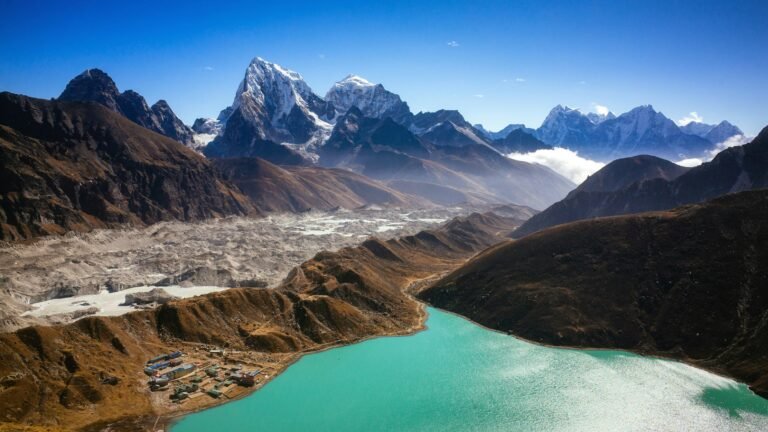
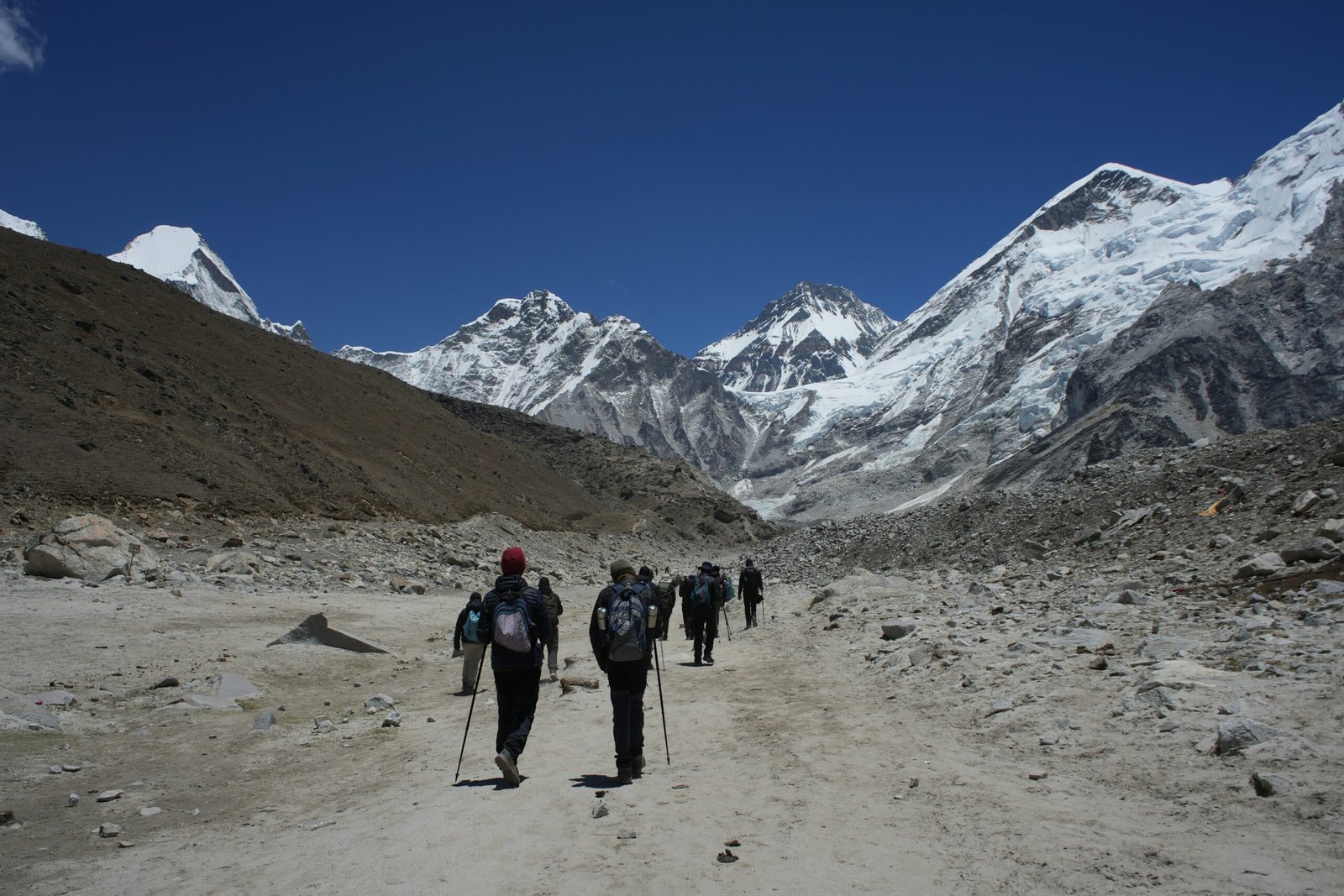
Symptoms can begin above 2,500 metres, become common above 3,500 metres, and rise sharply above 4,000 metres. On the EBC route, you sleep at 3,440 metres in Namche Bazaar on day three. By the time you reach Gorak Shep — the last stop before Base Camp — you’re at 5,140 metres. That’s a significant altitude gain over 12-18 days, and every metre above 3,500 is territory where AMS becomes a genuine concern.
The Three Levels — Know the Difference
Not all altitude sickness is the same. There’s a meaningful difference between feeling rough and being in danger.
Acute Mountain Sickness (AMS) — common, manageable
Common symptoms include headache, dizziness, nausea, shortness of breath, and fatigue. Most trekkers experience at least some of these, particularly in the first 24 hours after gaining significant altitude. A persistent headache that doesn’t fully clear with paracetamol is usually the earliest reliable signal.
Mild AMS is manageable — rest, hydration, no further ascent until symptoms ease. The golden rule: never ascend with symptoms. It’s not weakness to take an extra rest day. It’s smart trekking.
High Altitude Cerebral Edema (HACE) — serious, descend immediately
Severe cases can lead to High Altitude Cerebral Edema (HACE) or High Altitude Pulmonary Edema (HAPE), which require immediate descent and medical attention. HACE is swelling of the brain caused by fluid leakage at altitude. Symptoms include severe headache unresponsive to medication, loss of coordination, confusion, and in serious cases, loss of consciousness. This is a medical emergency. Descend immediately — do not wait to see if it improves.
High Altitude Pulmonary Edema (HAPE) — the most dangerous
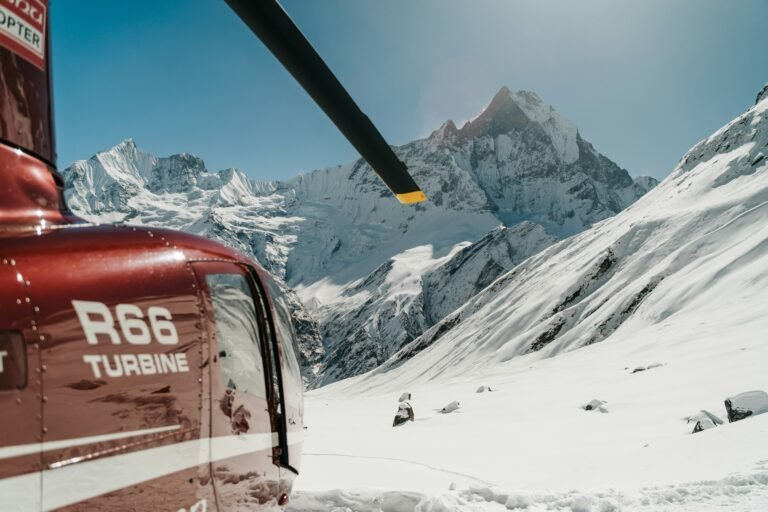
HAPE is fluid accumulation in the lungs. Symptoms include persistent dry cough, breathlessness at rest (not just on the trail), and a crackling sound when breathing. Like HACE, this requires immediate descent and evacuation. This is why travel insurance covering helicopter evacuation is non-negotiable at this altitude — a rescue from Gorak Shep can cost USD $3,000–$5,000 without cover.
We’re using Cover-More NZ for the trip. For non-NZ readers, World Nomads specifically covers high-altitude trekking and helicopter evacuation.
The Golden Rules of Acclimatisation
These are the non-negotiables — the things that reduce your AMS risk more than anything else.
Ascend slowly. Limit sleeping altitude gain to 300–500 metres per day above 3,000 metres. This is why a 14-day EBC itinerary is safer than a 12-day one — the extra days aren’t padding, they’re insurance.
Climb high, sleep low. During the day, trek to higher vistas, and at night, sleep in lower camps. On your acclimatisation days in Namche Bazaar and Dingboche, you’ll hike higher during the day and return to sleep lower — this stimulates red blood cell production without the risks of sleeping at altitude.
Drink 3-4 litres of water daily. Dehydration makes altitude sickness symptoms significantly worse and is one of the most overlooked risk factors. This sounds simple but it requires active effort — at altitude you often don’t feel thirsty even when you’re dehydrated.
Avoid alcohol, especially early in the trek. Alcohol is a diuretic and increases fluid loss — warm herbal teas are excellent on trail. The teahouses serve good ginger and lemon tea. Lean into it.
Never push through symptoms. If you experience symptoms, rest, stay hydrated, and avoid climbing higher until you feel better. This is the rule most people break. The summit mentality — push through, don’t quit — is the wrong mindset at altitude. Descend if symptoms worsen. The mountain will still be there.
Diamox — The Honest Assessment
Diamox (Acetazolamide) is the most discussed medication in the EBC planning community, and it deserves a straight answer.
What it does: Diamox slightly acidifies the blood, which stimulates the respiratory centre in the brain to breathe more deeply and frequently. More breaths per minute means more oxygen intake per hour.
Does it work? Research published in the High Altitude Medicine & Biology Journal found that Diamox reduces the incidence of AMS by up to 50% in trekkers ascending above 3,500 metres. That’s a meaningful reduction in risk.
Dosage: The standard dose is 125–250 mg twice daily, starting one to two days before ascent to high altitude.
Side effects: Common side effects include increased urination, tingling in fingers and toes, and taste alteration with carbonated drinks. The urination increase is significant — worth knowing before you’re sharing a teahouse dorm at 4,000 metres. The tingling is harmless but noticeable. Carbonated drinks taste genuinely strange on Diamox — not a major hardship on the trail but worth knowing.
The critical caveat: Diamox is not a replacement for acclimatisation. If you feel serious symptoms of altitude sickness, you need to descend, even if you’re on Diamox. It’s a supplement to smart trekking, not a shortcut through it.
What we’re doing: My GP recommended Diamox for our October trip and has referred us to a travel clinic to get it prescribed alongside vaccinations for Nepal and Bhutan. For most first-time EBC trekkers, prophylactic Diamox is recommended — and given this is our first time above 4,000 metres, it made sense to us. We’ll take it as prescribed from a day before the serious altitude gain begins.
One important note: always get a prescription before your trek — don’t buy it blind at a pharmacy in Kathmandu, though it is available there. Getting it at home means you know the dose is right for you and you can discuss any contraindications with your own doctor.
Altitude Training — Our Approach
Beyond Diamox, we’re taking the preparation a step further. From June 2026, I’m starting sessions at Auckland Altitude Training Centre — a facility that simulates high-altitude conditions in a controlled environment by reducing the oxygen concentration in the air.
I have an intro session this Friday to build a training plan around the October trip. The goal is to give my body some exposure to low-oxygen conditions before we arrive in Nepal — not to replace acclimatisation on the trek, but to reduce the shock of the first few days at altitude and understand how my body responds before I’m at 4,000 metres with limited options.
I’ll write more about the altitude training experience as the programme develops. If you’re near an altitude training centre and have the time before your trek, it’s worth considering — particularly if this is your first time at serious altitude.
Monitoring Your SpO2 on the Trek
Tracking your blood oxygen saturation (SpO2) gives you an early warning system for altitude-related problems before they become serious. At sea level, a healthy SpO2 is 95–100%. At altitude it drops — and monitoring the trend over days gives you useful data on how your body is acclimatising.
If you have a GPS watch with a built-in pulse oximeter — the Garmin Instinct 3 has one, as do several other Garmin and Suunto models — you may not need a separate device at all. I’ll be using mine throughout the trek to track SpO2 alongside heart rate and sleep data. The advantage of a dedicated clip-on oximeter is instant on-demand reading without navigating watch menus, but for most trekkers a capable GPS watch doubles up perfectly. Check your watch’s spec sheet — if it has SpO2 monitoring, you’re covered.
If you don’t have a compatible watch, a basic clip-on pulse oximeter is one of the best value items on the entire packing list — inexpensive, lightweight, and potentially the most important piece of kit you carry. Your guide will likely have one too, but having your own means you can check whenever you want and track your personal baseline over the days of the trek.
The Acclimatisation Schedule on the Evertrek Itinerary
One of the reasons we chose the Gokyo Valley route via Evertrek is the built-in acclimatisation structure. The 18-day itinerary includes dedicated rest days at Namche Bazaar and Dingboche — the two critical acclimatisation stops on the EBC route. Most trek itineraries include acclimatisation days at Namche Bazaar (3,440 metres) and Dingboche (4,410 metres) to help trekkers adjust and reduce the risk of altitude sickness.
The Gokyo route also approaches EBC from a different direction to the classic trail, meaning the altitude gain is more gradual in places. That’s not the only reason we chose it — the Gokyo Lakes and Cho La Pass are spectacular — but the acclimatisation profile is better than a direct sprint up the valley.
If you’re comparing operators, check the itinerary length carefully. A 12-day EBC package is a red flag — it doesn’t leave enough time for proper acclimatisation and significantly increases your AMS risk. We’d recommend nothing shorter than 14 days, and preferably 16–18 if you’re going via Gokyo. If you’re considering Evertrek, readers get £200 off via that link.
The Honest Summary
Altitude sickness is the single biggest physical risk on the EBC trek. It doesn’t care how fit you are — being fit alone won’t save you from getting altitude sickness; your body needs time to become used to reduced oxygen.
The things that actually work: ascending slowly, taking acclimatisation days seriously, staying hydrated, and never pushing through symptoms. Diamox reduces your risk meaningfully but doesn’t replace any of that.
We’re going in October with a proper preparation plan — Diamox prescribed, altitude training underway, an 18-day itinerary with rest days built in. We’re not going to guarantee we won’t feel rough above 4,000 metres. But we’re doing everything reasonable to make sure we’re ready.
FAQ for Altitude Sickness on the Everest Base Camp Trek
What are the symptoms of altitude sickness on the EBC trek?
The most common symptoms are headache, dizziness, nausea, shortness of breath, and fatigue. A persistent headache that doesn’t fully clear with paracetamol is usually the earliest reliable signal. Symptoms typically begin above 2,500 metres and become more common above 3,500 metres.
Should I take Diamox for the Everest Base Camp trek?
For most first-time EBC trekkers, prophylactic Diamox (Acetazolamide) is worth considering — research shows it reduces the incidence of AMS by up to 50%. However it requires a prescription and isn’t suitable for everyone. Discuss it with your GP before the trek, not at a pharmacy in Kathmandu.
At what altitude does altitude sickness start on EBC?
Symptoms can begin above 2,500 metres but become significantly more common above 3,500 metres. On the EBC route you first sleep at altitude in Namche Bazaar at 3,440 metres — the first critical acclimatisation point of the trek.
What is the difference between AMS, HACE and HAPE?
Acute Mountain Sickness (AMS) is the common form — headache, nausea, fatigue. High Altitude Cerebral Edema (HACE) is swelling of the brain and a medical emergency requiring immediate descent. High Altitude Pulmonary Edema (HAPE) is fluid in the lungs — the most dangerous form and also requires immediate descent and evacuation.
How do I avoid altitude sickness on the EBC trek?
The most effective steps are ascending slowly (no more than 300–500 metres of sleeping altitude gain per day above 3,000 metres), taking acclimatisation rest days seriously, drinking 3–4 litres of water daily, avoiding alcohol, and never ascending with symptoms. No medication replaces these fundamentals.
What should I do if I get altitude sickness on EBC?
Stop ascending immediately. Rest, hydrate, and monitor your symptoms. If symptoms worsen or don’t improve with rest, descend — even if it means losing a day or two of progress. If you develop signs of HACE or HAPE, descend immediately and seek emergency evacuation. Never push through serious symptoms.
More EBC Planning Guides
- How to Train for Everest Base Camp
- How Difficult is the EBC Trek?
- EBC Trek Guide for Non-Mountaineers
- Guided vs Independent EBC Trek
- Everest Base Camp Cost — Full Budget Breakdown
Andrew Dillon is a data consultant, runner, and triathlete based in Auckland, New Zealand. He is trekking EBC via Gokyo with Evertrek in October 2026. Follow his journey at abovethecloudtreks.com.