What to Eat on the EBC Trek — The Honest Food Guide
This article contains affiliate links. If you book or purchase through these links I may earn a small commission at no extra cost to you. I only recommend products and companies I genuinely use or have researched thoroughly.
“Dal Bhat Power, 24 Hour.” It’s printed on t-shirts all over Kathmandu and it’s not a joke — it’s the actual nutritional philosophy behind the entire EBC trail. Here’s what to eat on the EBC trek for the better part of three weeks.
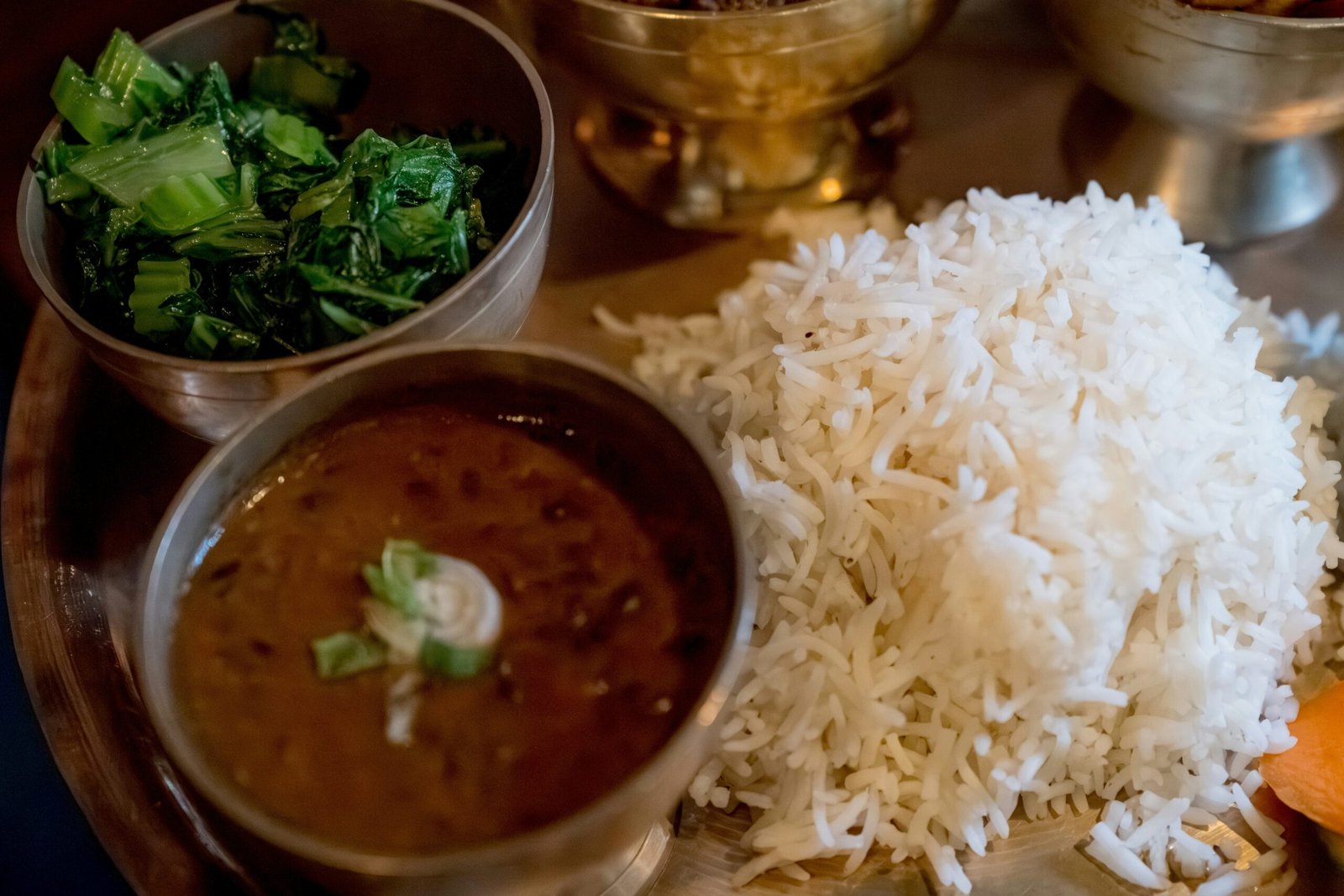
Dal Bhat — The Trail’s Staple Meal
Dal bhat is steamed rice, lentil soup, vegetable curry, and pickles, usually with a side of papad. It’s on every teahouse menu, at every altitude, twice a day if you want it.
The reason it dominates isn’t lack of imagination — it’s that most teahouses offer unlimited refills on dal bhat for one price, typically NPR 600–900 (USD $5–7). High in complex carbohydrates, reasonable protein from the lentils, and easy to digest at altitude. Porters and guides eat it almost exclusively for exactly these reasons.
It’s genuinely good food, not just trail fuel. By day five you’ll understand why “Dal Bhat Power” isn’t ironic.
What Else Is on the Menu
Teahouse menus are surprisingly varied for how remote the locations are:
Momos — Nepali dumplings, steamed or fried, filled with vegetables, cheese, or meat. A genuine highlight and good variety from dal bhat.
Thukpa — Tibetan noodle soup, thick noodles in a warming broth with vegetables and sometimes egg. Excellent on cold evenings, particularly above 3,500m.
Sherpa stew (Syakpa) — homemade noodles, vegetables, and broth. Hearty and warming.
Garlic soup — widely believed by guides and locals to help with altitude acclimatisation. There’s no strong clinical evidence behind this, but it’s a genuinely tasty, warming soup and worth having regardless.
Fried noodles, fried rice, pasta — Western-style options available at most teahouses, more reliably at lower altitude.
Breakfast options — Tibetan bread, porridge, pancakes, chapati, toast with jam, and eggs (boiled or fried) feature on most breakfast menus.
The Mars Roll — yes, this exists. A chocolate bar wrapped in dough and deep-fried, spring-roll style. As a Scot, I feel a strange sense of pride here — Scotland has been deep-frying Mars bars at chip shops for decades, and somehow that exact same idea has independently made its way onto teahouse menus in the Khumbu Valley at 4,000 metres. Whatever your view on deep-fried chocolate as a food category, I’m trying one. It would be rude not to.
How the Menu Changes With Altitude
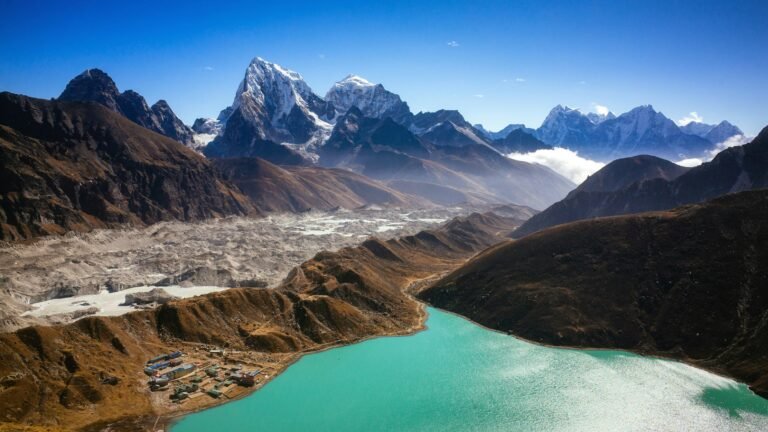
Below Namche Bazaar, regular mule and porter supply lines bring fresh vegetables, eggs, dairy, and bread, making the lower trail feel closer to a normal restaurant experience. Above Namche, supply shifts to yaks and porters carrying loads up to 30kg, and above Dingboche fresh vegetables become increasingly rare and expensive. Some teahouses at Lobuche and Gorak Shep rely on helicopter deliveries for key supplies.
Practically, this means: more variety and lower prices at Lukla and Namche, a noticeably simpler and pricier menu by Dingboche, and a genuinely limited menu — mostly dal bhat, noodles, and basic breakfast options — at Lobuche and Gorak Shep.
What It Costs
A meal typically runs NPR 600–900 (USD $5–7) at lower altitude, rising to USD $10–12 for the same dish at Gorak Shep. Budget USD $25–40 per day for food if you’re paying as you go — independent trekkers typically spend in this range across the full trek.
If you’re on a guided trek, meals are usually included in the package — confirm exactly what’s covered. With Evertrek, all meals during the trek are included, which removes one layer of daily budgeting entirely.
Bottled water gets progressively more expensive — roughly NPR 100 ($1) at lower altitude rising to NPR 400 ($4) at Gorak Shep. Bringing a water purification method (tablets or a filter) rather than buying bottled water saves money and avoids the plastic waste problem in these remote villages.
Vegetarian, Vegan, and Dietary Requirements
Nepali teahouse food is naturally vegetarian-friendly — dal bhat, momos, fried rice, noodles, and most soups work without modification. Simply tell teahouse staff you’re vegetarian; it’s a completely normal request.
Vegan is manageable with a bit of care. Ghee is sometimes used in dal bhat and Tibetan bread — ask whether your meal uses ghee or oil. Milk tea is dairy by default — request black tea if you want to avoid it.
If you have allergies or specific dietary requirements, tell your guide before the trek starts so they can coordinate with teahouses along the route in advance.
A practical note on meat: most experienced trekkers and guides recommend avoiding meat dishes, particularly above Namche Bazaar. Meat has to be carried up from lower elevations without reliable refrigeration, and freshness isn’t guaranteed. Yak steak is on some menus but quality varies significantly by teahouse.
Snacks Worth Bringing From Home
Teahouse snack shelves stock chocolate, biscuits, and crisps, but prices climb steeply with altitude. Bringing your own from home is worth it:
- Energy bars and gels
- Dried fruit and nuts
- Electrolyte sachets
- Instant coffee sachets if you’re particular about your coffee
We’ve covered the full list in the EBC packing list.
A Few Practical Rules
Eat a hearty breakfast. You’ll burn significant calories on the trail — a light breakfast leaves you flat by mid-morning.
Don’t go to bed on a full stomach. Digestion slows at altitude. A moderate dinner around 7pm, rather than a heavy meal right before sleep, tends to sit better and supports better rest.
Avoid alcohol, especially above 3,000m. It worsens dehydration and significantly increases the risk and severity of altitude sickness symptoms. Most experienced guides recommend skipping it entirely until you’re well below altitude on the way out.
Never drink untreated water. Always use purification tablets, a filter, or boiled water from the teahouse.
The Honest Summary
You’ll eat well on the EBC trek, just repetitively. Dal bhat will become a familiar friend rather than a chore — the unlimited refills and reliable nutrition make it the right call most days, even when momos or thukpa are tempting alternatives. Expect the variety to shrink and the prices to rise as you climb, and budget accordingly if you’re not on an all-inclusive package.
And try the Mars Roll. Some things deserve to be experienced once — especially for a Scot, this one feels like coming home.
More EBC Planning Guides
- EBC Teahouse Accommodation — What to Expect
- Altitude Sickness on the EBC Trek
- Everest Base Camp Cost — Full Budget Breakdown
- The Honest EBC Packing List
- EBC Trek Guide for Non-Mountaineers
Andrew Dillon is a data consultant, runner, and triathlete based in Auckland, New Zealand. He is trekking EBC via Gokyo with Evertrek in October 2026. Follow his journey at abovethecloudtreks.com.