EBC Teahouse Accommodation — What to Actually Expect
This article contains affiliate links. If you book or purchase through these links I may earn a small commission at no extra cost to you. I only recommend products and companies I genuinely use or have researched thoroughly.
Teahouses are the reason EBC is accessible to regular hikers rather than just expedition mountaineers. No tents, no cooking gear, no carrying your own shelter — just a network of family-run lodges along the entire trail. Here’s what an EBC teahouse is actually like.
What Is a Teahouse?
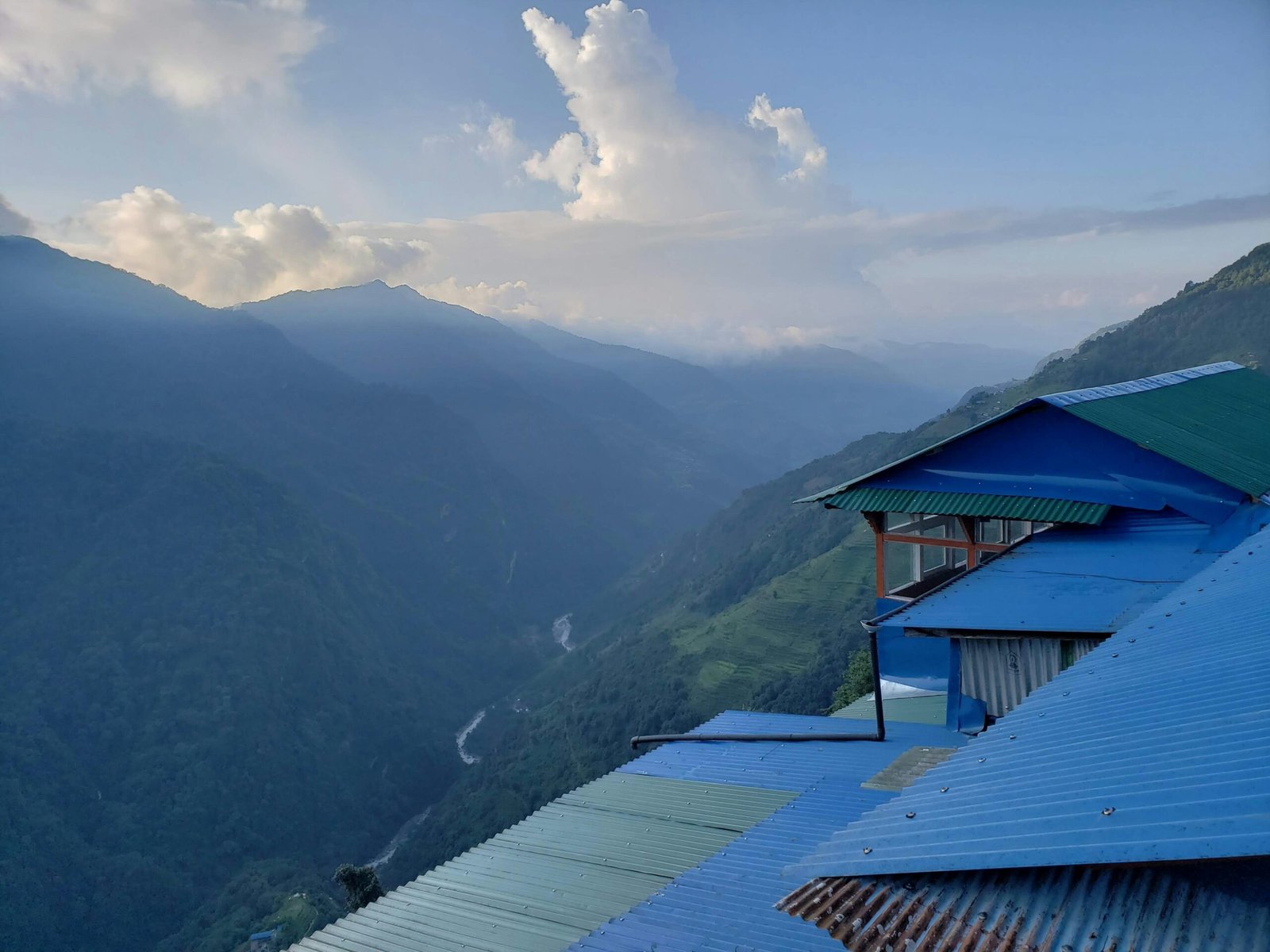
A teahouse is a small, family-run lodge offering a bed and meals to trekkers. The Nepali word is “bhatti.” They range from simple two-room buildings in remote villages to larger multi-storey lodges in busier hubs like Namche Bazaar. Almost every village on the EBC trail has at least one.
The business model matters for what you’ll experience: teahouses make their money primarily from meals, not rooms. Rooms are priced very low — sometimes nearly free — on the expectation that you’ll eat all your meals there. Don’t try to save money by eating elsewhere and staying for the room rate alone; it’s against the unwritten rules of the trail and creates friction with the owner.
What a Room Actually Looks Like
Basic twin-share rooms with two single beds, thin walls, and minimal insulation. A small table is common. Below Namche Bazaar, expect basic but functional. Above it, expect genuinely basic — plywood walls, shared bathrooms, and no heating in the room itself.
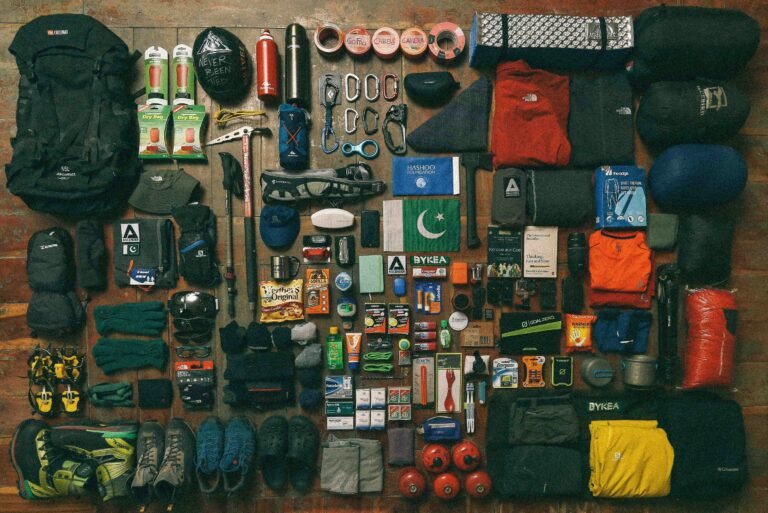
Rooms are not heated anywhere on the trail above Lukla, except in a small number of premium lodges. The communal dining room with its central stove is where everyone gathers for warmth in the evening — this is where trekking life actually happens, not in your room. Bring a quality sleeping bag (we’re using the Rab Ascent Pro 800) and expect to sleep in it every night.
Room and Accommodation Costs
Room rates are cheap and get cheaper relative to everything else as you climb, because teahouses recoup costs through meals:
| Location | Typical room cost (twin-share) |
|---|---|
| Lukla | NPR 1,500–2,000 (~$11–15 USD) |
| Namche Bazaar | Often free or NPR 200–500 with meals |
| Tengboche / Dingboche | NPR 300–800, sometimes free with meals |
| Lobuche / Gorak Shep | NPR 500–1,000, sometimes free with meals |
The pattern: at lower altitude you might pay a modest room rate. Higher up, owners frequently waive the room charge entirely as long as you’re eating dinner and breakfast there — the meal margin covers it.
Facilities — What Changes With Altitude
Toilets: Western-style flush toilets are common at lower altitude (Lukla to Namche). Above that, expect squat toilets or simple drop-pits, particularly from Dingboche upward.
Showers: Hot showers cost USD $3–5 where available, usually heated by gas or solar. Below Namche they’re reasonably reliable. Above 4,000m, hot showers become rare — some places offer a bowl of warm water for a wet-wipe wash instead. Don’t expect a proper shower at Gorak Shep.
Electricity: Most teahouses run on solar power, supplemented by hydro in some villages. Lights work in common areas; room sockets are less reliable. Charging a device costs USD $2–6 per charge, payable in cash. Bring your own cables and adapter — Nepal uses plug types C, D, and M.
WiFi: Available at most lower villages via prepaid cards (Everest Link or similar), typically USD $20–30 for a data card good across much of the trail. Speed is basic — fine for messages, not for video calls or streaming. Coverage thins out above Dingboche.
A Practical Tip — The Quilt Sandwich
Most teahouses provide a thick quilt on the bed in addition to whatever bedding you bring. Layer it over your sleeping bag rather than under it — the extra insulation on top makes a noticeable difference on the coldest nights, particularly from Dingboche upward.
Booking — Do You Need To?
If you’re on a guided trek, your operator and guide handle all teahouse bookings as part of the itinerary — you won’t think about this at all. With Evertrek, this is included in our package.
If you’re trekking independently, booking ahead matters more during peak season (October especially). Outside peak times, walking in and asking is usually fine. A useful independent strategy is sending your porter ahead to secure a room before you arrive at busier stops.
EBC Teahouse Etiquette Worth Knowing
Don’t crowd the stove. It’s the only heat source in the building and everyone wants a turn.
Keep noise down after 8pm. Walls are thin and most trekkers are exhausted and trying to sleep.
Carry your rubbish back down. Waste management in remote villages is limited — what you bring up, bring back down, including spent batteries.
Avoid alcohol. It worsens the effects of altitude and most experienced guides recommend skipping it entirely until you’re back at lower elevation.
The Honest Summary
Teahouse accommodation on EBC is basic, functional, and genuinely charming in its own way — communal stoves, simple rooms, and a level of hospitality that’s hard to find elsewhere. Costs are low for rooms but add up through meals, showers, charging, and WiFi. Expect things to get more basic as you climb, and budget USD $15–25 per day beyond your trek package for these extras.
More EBC Planning Guides
- The Honest EBC Packing List
- Sleeping Bag for EBC — Hire vs Buy
- Everest Base Camp Cost — Full Budget Breakdown
- Altitude Sickness on the EBC Trek
- EBC Trek Guide for Non-Mountaineers
Andrew Dillon is a data consultant, runner, and triathlete based in Auckland, New Zealand. He is trekking EBC via Gokyo with Evertrek in October 2026. Follow his journey at abovethecloudtreks.com.