EBC Trek Tipping — How Much, Who Gets What, and When
This article contains affiliate links. If you book or purchase through these links I may earn a small commission at no extra cost to you. I only recommend products and companies I genuinely use or have researched thoroughly.
Tipping on the EBC trek is expected, meaningful, and consistently underprepared for. Most trekkers think about it seriously for the first time in the teahouse at Gorak Shep, having already spent all their USD on bottled water and charging fees.
Here’s everything you need to know before you go — including the 2026 rates, who gets what, and how to handle it on a guided group trek.
Why Tipping Matters More Here Than Most Places
Your trek price covers logistics, permits, and basic wages. Your tip is a direct reward for the quality of service — it acknowledges the guide who stayed up late to check your oxygen levels or the porter who moved like a mountain goat to ensure your bags were at the teahouse before you arrived.
Most mountain workers in Nepal are seasonal — they work incredibly hard during the Spring and Autumn windows to support their families for the rest of the year. A fair tip helps them invest in better gear, education for their children, and community development.
This isn’t abstract. The guides and porters on EBC are doing physically demanding, weather-exposed work in remote terrain for weeks at a time. The tip is a significant portion of their seasonal income. It matters.
Who You’re Tipping
On a guided group trek with an operator like Evertrek, your tipping recipients are:
Lead guide — manages the itinerary, monitors for altitude sickness, handles logistics and safety decisions. The most important person on the mountain.
Assistant guide — supports the lead guide, particularly in larger groups. Not all treks include one.
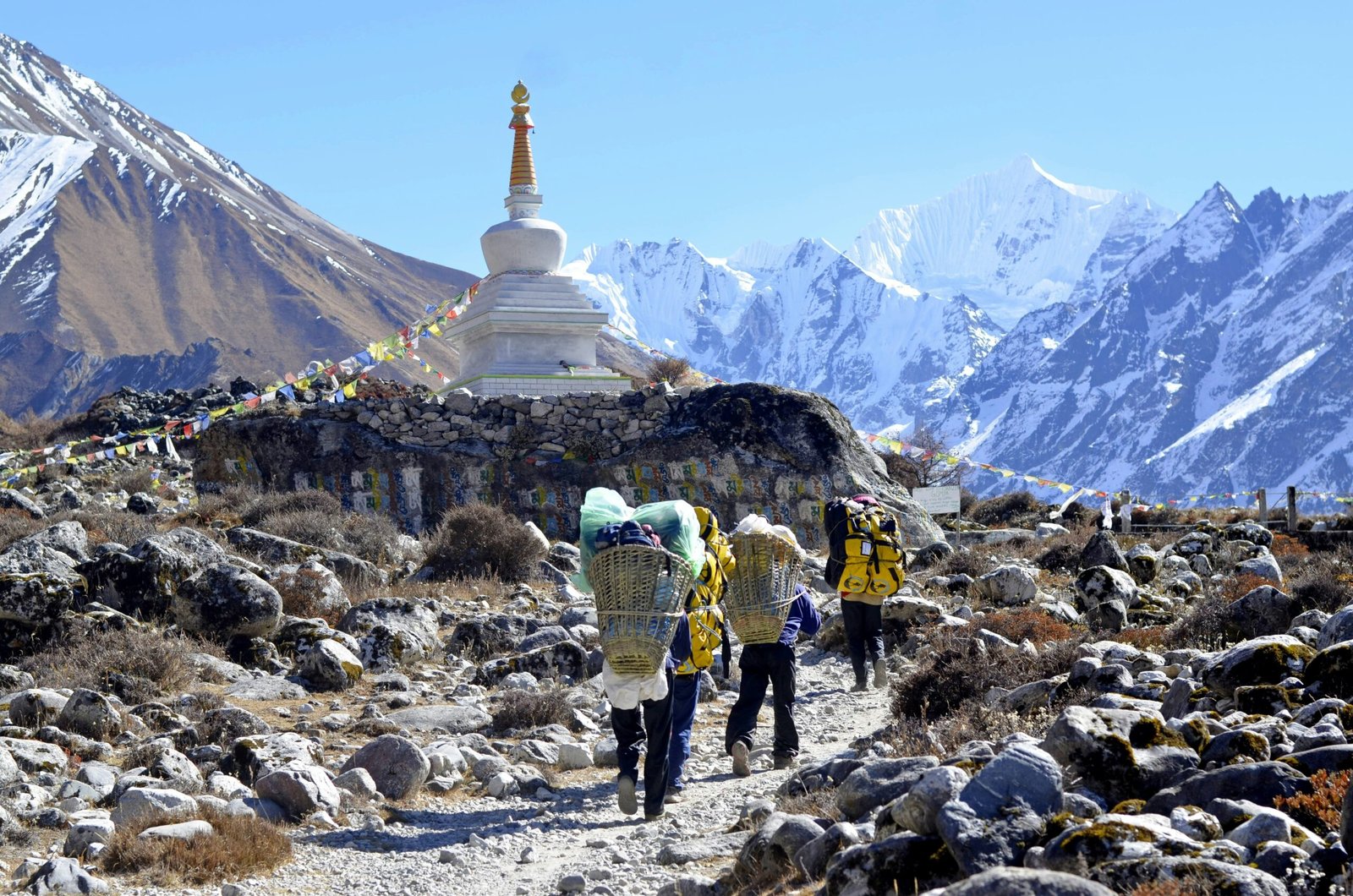
Porters — carry your duffel bag between teahouses, typically up to 20–25kg. They move faster than you, arrive before you, and do it day after day. The unsung heroes of EBC.
Teahouse staff — small tips for exceptional service are appreciated but not mandatory.
The 2026 Numbers
Standard tipping guidelines for 2026: Guide USD $15–20 per day, Porter USD $10–15 per day.
The key clarification — and where most guides are confusing — is whether these are per person or total from the group.
These amounts are the total for the whole group, not per person. If you are in a group of 4 people, you would split the $20/day guide tip four ways, meaning each traveller contributes $5/day toward the guide’s tip.
So for our group of four on an 18-day trek:
| Role | Daily rate (total) | Per person per day | 18-day total per person |
|---|---|---|---|
| Lead guide | USD $15–20 | USD $3.75–5 | USD $67–90 |
| Assistant guide | USD $10–15 | USD $2.50–3.75 | USD $45–67 |
| Porter (per porter) | USD $10–15 | USD $2.50–3.75 | USD $45–67 |
A realistic budget of USD $150–200 per person for the full trek covers guide, assistant guide, and porter tips comfortably at the mid-to-upper end of the recommended range. Round it up to USD $200 and you’re well positioned.
The alternative calculation: 10–15% of your total trek cost is a widely used rule of thumb. On a £2,550 trek that’s £255–383 per person — broadly consistent with the daily rate approach above.
On a Guided Group Trek — The Pooled Tip
On group treks the standard approach is a pooled tip envelope collected from all group members and presented collectively at the end of the trek — usually at a small ceremony in Namche or back in Kathmandu.
Your operator or guide will typically prompt this and may suggest an amount. Evertrek’s pre-trek briefing should cover their recommendation — note it down and budget accordingly.
The pooled approach has two advantages: it’s more dignified than individual handovers, and it ensures the tip reaches all staff equitably rather than being concentrated with the most visible guide.
Practical tip: Bring USD cash in small denominations from home. Carry enough for the entire trek — mountain ATMs in Namche Bazaar are frequently unreliable. Running short of cash at Gorak Shep is a stressful and avoidable problem.
When to Hand It Over
The tip is given at the end of the trek — typically at the farewell dinner or the morning of departure from Namche, before the Lukla flight. Not daily, not mid-trek.
The only exception is if a specific porter is leaving the group partway through the trek — in that case, tip them directly before they depart.
What Currency to Use
USD is universally accepted and preferred. Nepalese Rupees are also fine. Avoid tipping in your home currency unless it’s USD or GBP — other currencies are difficult to exchange in Nepal and less useful to your guide than you’d expect.
Use Wise to withdraw NPR or hold USD before the trek — the mid-market rate is significantly better than airport exchange desks, and you can manage your tipping budget separately from your general spending money.
What Not to Do
Don’t tip old or worn clothing. Well-intentioned but often perceived as condescending. Cash is unambiguously useful.
Don’t tip too little because the service was average. The guide’s salary assumes a tip. A significantly below-standard tip communicates something specific — use it deliberately rather than as a default.
Don’t hand the tip to the local operator rather than directly to the guide and porter. The tip should go to the people who did the work.
The Honest Summary
Budget USD $150–200 per person for tips across an 18-day EBC trek. Bring it in cash — USD preferred — from home. Contribute to the group pool at the end of the trek. And tip at the higher end of the range for a guide who makes good decisions at altitude. That’s the job that matters most.
More EBC Planning Guides
- Everest Base Camp Cost — Full Budget Breakdown
- Kathmandu Before EBC
- Guided vs Independent EBC Trek
- What to Eat on the EBC Trek
- EBC Trek Guide for Non-Mountaineers
Andrew Dillon is a data consultant, runner, and triathlete based in Auckland, New Zealand. He is trekking EBC via Gokyo with Evertrek in October 2026. Follow his journey at abovethecloudtreks.com.