Travel Insurance for the EBC Trek — What You Actually Need
This article contains affiliate links. If you book or purchase through these links I may earn a small commission at no extra cost to you. I only recommend products and companies I genuinely use or have researched thoroughly.
This is the most important admin task in your entire EBC preparation. Not the most exciting — but get it wrong and a helicopter rescue from Gorak Shep could cost you USD $5,000–$10,000 out of pocket, payable before the aircraft takes off.
Here’s what your policy needs to include, what it’ll cost, and what we chose.
The Single Most Common Mistake
Most trekkers who think they have travel insurance for EBC don’t.
Standard travel insurance almost never covers high-altitude trekking. Most basic policies exclude coverage above elevations of 3,000 to 4,000 metres, placing Everest Base Camp well outside their scope of protection. The policy you have through your bank card, your airline checkout page, or a basic online provider almost certainly stops short of where EBC begins.
Base Camp sits at 5,364 metres and Kala Patthar, the viewpoint almost everyone climbs the next morning, sits at 5,545 metres. To be properly covered you need a policy that explicitly includes trekking to 6,000 metres and emergency helicopter evacuation.
Check your existing policy before assuming you’re covered. If it doesn’t explicitly state 6,000m altitude coverage and helicopter evacuation, it’s not adequate for EBC.
What Your Policy Must Include
Five non-negotiables for EBC insurance:
1. Altitude coverage to 6,000m minimum
EBC is 5,364m. Kala Patthar is 5,545m. On the Gokyo route, the Cho La Pass is 5,420m. Any policy you purchase for an EBC trek must explicitly state coverage for high-altitude trekking up to at least 6,000m. Some policies cover to 5,000m — this is not enough. Get it in writing.
2. Emergency helicopter evacuation
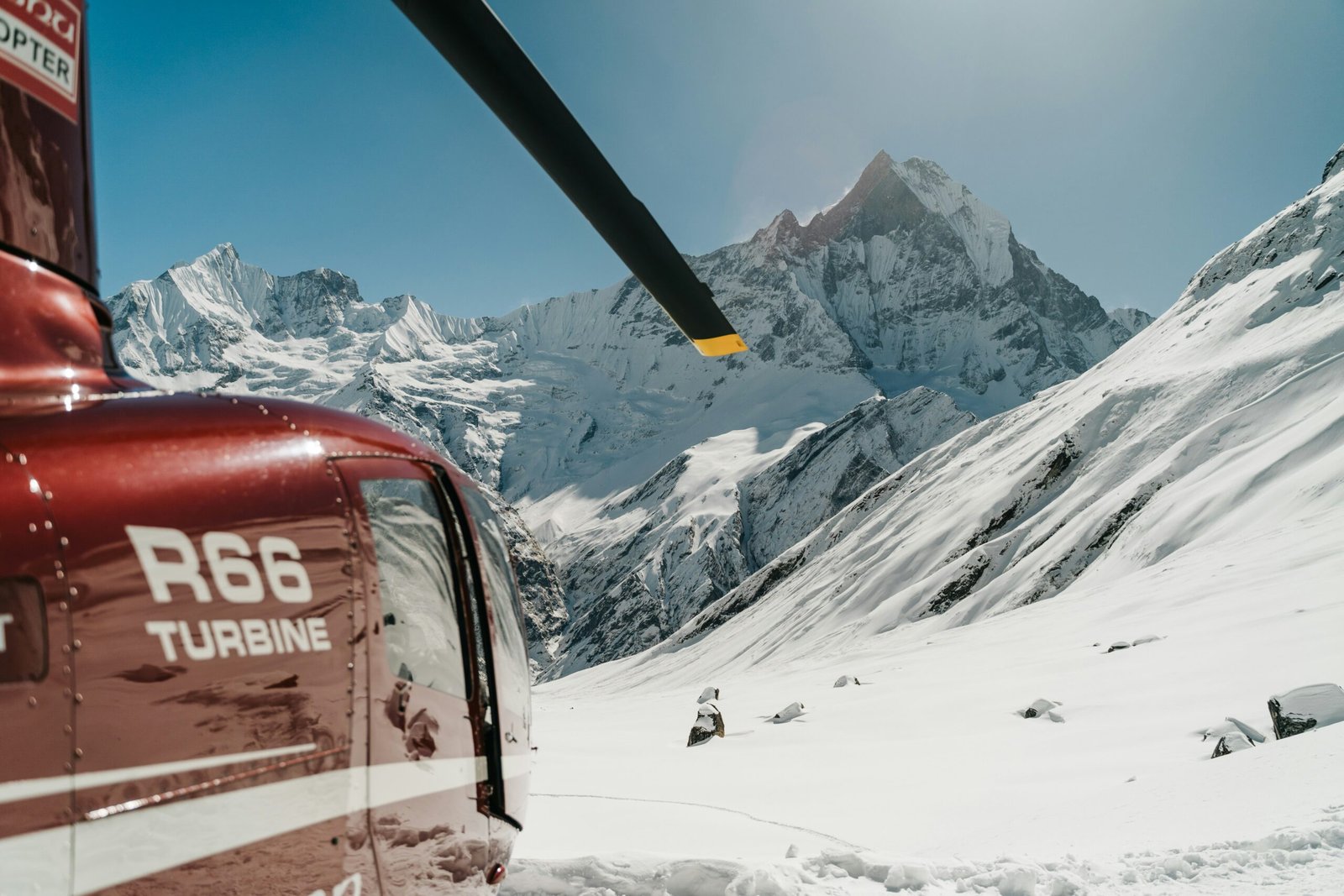
Helicopter evacuation costs roughly USD $3,000–$5,000 from Namche and USD $5,000–$10,000+ from higher points like Gorak Shep or EBC, depending on altitude and conditions. This is the headline number that matters. Confirm the evacuation coverage limit is a minimum of $100,000 USD, and ideally $200,000–$500,000 for high-altitude expeditions.
3. Emergency medical treatment
Hospital treatment in Kathmandu for altitude-related illness runs USD $1,000–$3,000. Your medical coverage limit should be at least USD $100,000.
4. Trip cancellation and interruption
Lukla flight delays are common and can cascade into missed international connections. Trip cancellation coverage protects against losing your trek fee if illness prevents you from going.
5. 24/7 emergency assistance
Almost every policy requires the evacuation to be approved by the insurer’s own emergency assistance team before the flight. Skipping this step is one of the fastest ways to lose a claim. Save the emergency number offline on your phone before you lose signal above Namche.
The Fake Rescue Scam — Know This Before You Go
There is a “fake rescue” fraud reported in Nepal in recent years. Unscrupulous guides might exaggerate your symptoms — like a minor headache — and convince you that you need an immediate helicopter. They then take you to a specific hospital in Kathmandu that overcharges the insurance company, sharing the profit with the guide and agency.
The protection against this: use a reputable operator (your guide’s incentives are aligned correctly), and unless it’s a genuine emergency, always contact your insurer’s 24/7 line before boarding a helicopter. A proper guide will support this process rather than pressure you to skip it.
What We Chose — Cover-More NZ
We’re using Cover-More NZ with their adventure add-on — NZD $1,065 base policy plus the adventure activities add-on for two people covering the full trip including Nepal and Bhutan.
Cover-More is the right choice for New Zealand residents specifically — they’re a major NZ insurer with strong claims handling and the adventure add-on explicitly covers high-altitude trekking and helicopter evacuation.
For non-NZ readers: For most international trekkers, the World Nomads Explorer Plan covers the bases well. World Nomads covers high-altitude trekking to 6,000m, helicopter evacuation, and is available to trekkers from most countries. Pricing for a standard EBC trip duration typically runs USD $80–$150. Note that World Nomads writes different policy documents for UK, US, Australian, and European residents — purchase from your country’s version of the site.
For UK trekkers specifically: True Traveller is worth comparing — their Adventure and Traveller plans cover high-altitude trekking up to 6,000 metres, include helicopter evacuation, and the policy wording is more direct and easier to understand than most.
A Note on Proof of Insurance
As of 2024, Nepal requires proof of travel insurance to obtain trekking permits. Your policy must cover high-altitude emergency helicopter evacuation up to 6,000m and medical expenses. Your operator will likely ask for a copy before departure — have it downloaded on your phone and printed as a backup.
Give a copy to your guide at the pre-trek briefing. Give another copy to someone at home. Write the 24/7 emergency number on paper and keep it in your daypack. This is not overcautious — it’s the process.
Adding Bhutan Coverage
If you’re combining EBC with Bhutan — as we are — confirm your policy covers both countries for the full trip duration. Cover-More NZ covered both under one policy without issue.
For World Nomads users, Bhutan is covered under their standard policies — confirm your specific plan includes it. The Bhutan segment involves lower altitude than EBC (most of the Trans Bhutan Trail sits between 2,000–3,500m) but the remoteness and healthcare access issues are similar. Don’t assume a Nepal-focused policy automatically extends to Bhutan — read the geographic coverage section carefully.
The Pre-Purchase Checklist
Before buying any policy for EBC, confirm these five things in writing:
- Trekking covered to at least 6,000m, explicitly stated
- Emergency helicopter evacuation included — minimum USD $100,000 limit
- Medical treatment covered — minimum USD $100,000
- 24/7 emergency assistance number included
- Nepal (and Bhutan if applicable) not excluded as destinations
If anything is ambiguous, get an email from the insurer confirming cover to 5,545 metres on the EBC trek. Insurers answer these questions daily, and that reply is valuable in a dispute.
The Honest Summary
Insurance for EBC is not optional and it’s not expensive relative to the trip cost. A quality policy covering helicopter evacuation typically costs USD $80–$150 for the trek duration. Against a potential USD $10,000 rescue cost — payable before the aircraft departs — it’s the easiest financial decision in the entire planning process.
Don’t assume your existing policy covers you. Check the altitude clause. Check the helicopter evacuation limit. Get it confirmed in writing. And save that emergency number before you lose signal above Namche.
More EBC Planning Guides
- Altitude Sickness on the EBC Trek
- Combining Bhutan and EBC in One Trip
- Everest Base Camp Cost — Full Budget Breakdown
- Guided vs Independent EBC Trek
- EBC Trek Guide for Non-Mountaineers
Andrew Dillon is a data consultant, runner, and triathlete based in Auckland, New Zealand. He is trekking EBC via Gokyo with Evertrek in October 2026. Follow his journey at abovethecloudtreks.com.