EBC Trek Packing — The Luggage vs Daypack Strategy
This article contains affiliate links. If you book or purchase through these links I may earn a small commission at no extra cost to you. I only recommend products and companies I genuinely use or have researched thoroughly.
Most packing guides for EBC give you a list. This one gives you a system — because the 15kg Lukla flight limit doesn’t just constrain how much you bring, it fundamentally changes how you think about packing.
Here’s the framework, the split between duffel and daypack, and the decisions that matter.
The Rule That Changes Everything
The baggage allowance for the EBC trek is 15kg per person for the Lukla flight. This includes your main duffel bag and your daypack combined.
This is a hard limit enforced at the airport check-in counter — aim for 15kg or under. It keeps things easier for the Lukla flight, your porter team, and your own peace of mind.
If your bag is slightly over the limit, excess luggage may be delayed and sent on a later flight. Arriving at Lukla without your bag is a stress that you definitely want to avoid.
Everything else in your packing strategy flows from this number.
The Two-Bag System
You have two bags on EBC:
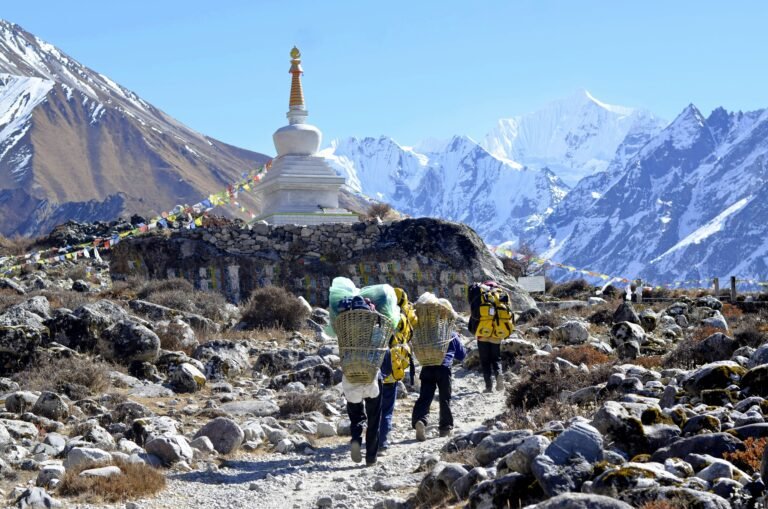
The duffel (porter carries this): Your main bag, carried by your porter from teahouse to teahouse while you walk. You don’t access it during the day. Everything that doesn’t need to be within reach goes in here.
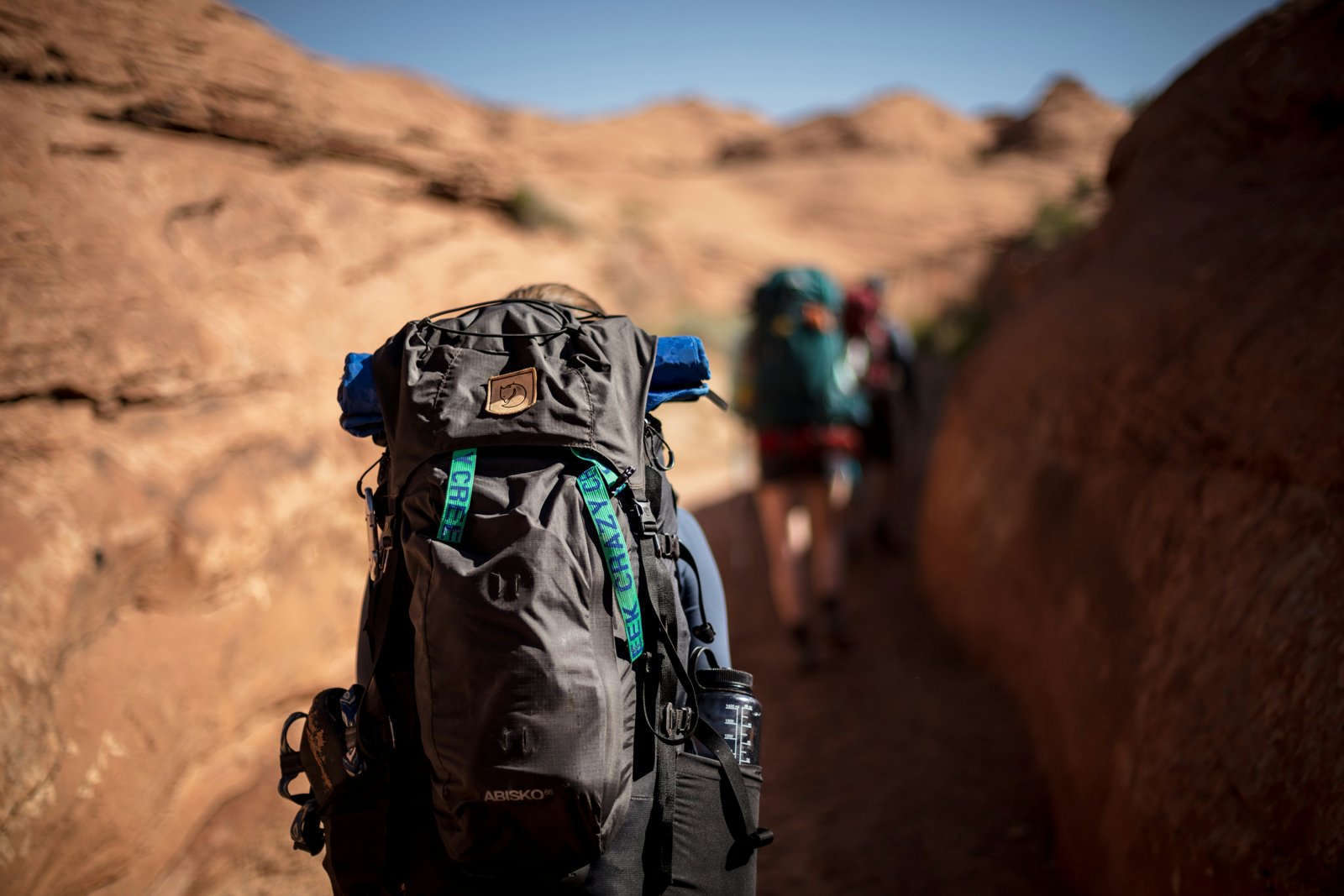
The daypack (you carry this): On your back for 5–8 hours every day. Everything you need during the walk — layers, water, snacks, camera, documents — lives in here.
The practical target is around 10kg in your main duffel and around 5kg in your daypack — a combined limit of roughly 15kg.
With Evertrek, the 80L duffel is provided. We’re using the Fjällräven Kaipak 38 (Andrew) and Abisko 35 (Elaine) as our daypacks — both confirmed well within the 5kg daypack target when loaded for a day on the trail.
What Goes in the Duffel
Everything you don’t need while walking. The golden rule: if you could survive a full day on the trail without it, it belongs in the duffel.
Clothing:
- Sleeping base layers (separate from walking base layers)
- Spare trekking trousers
- Spare merino tops
- Down jacket (unless cold at teahouse altitude — then wear it)
- Spare socks and underwear
- Camp sandals
Sleep:
- Sleeping bag (Rab Ascent Pro 800 — our heaviest single item)
- Sleeping bag liner
Toiletries and health:
- Toiletry bag (keep it minimal — wet wipes replace showers above Namche)
- First aid kit
- Spare medication and Diamox supply
Misc:
- Spare batteries and memory cards
- Dry bags for organisation
- Any gear you won’t need until higher altitude
What Goes in the Daypack
Everything you need access to during the day’s walk. Your daypack sits on your own back all day, every day — 5 to 8 kilograms is the target.
Essential access items:
- Water bottles (x2, 1L each) — filled each morning, purified
- Snacks for the day
- Sunscreen, lip balm
- Head torch (in case of late arrival)
- Trekking pole tips and spares
- Camera and spare battery
Documents and valuables — always in the daypack:
- Passport (original)
- Permits
- Wallet and cash (USD and NPR)
- Travel insurance emergency number — on paper, offline
Layers you’ll put on and take off:
- Waterproof shell jacket — mornings are cold, afternoons warm up
- Fleece mid-layer
- Liner gloves and warm hat — accessible for high passes and ridge sections
Health and first aid:
- Blister kit, paracetamol, Diamox dose for the day
Technology:
- Phone
- Power bank — charges devices during rest stops
- Garmin Instinct 3 charging cable if needed at teahouses
One deliberate omission: earphones. We’re in the Himalayas. The full sensory experience — the wind, the bells on the yak trains, the sound of rivers in the valley below — is part of what we came for. Headphones can wait until the flight home.
What Gets Left in Kathmandu
Be ruthless — there will always be something you’d love to take but can’t. Leave non-trek items in Kathmandu storage.
The Aloft Thamel and Evertrek’s local office both offer secure luggage storage. Leave everything you don’t need on the mountain:
- City clothes and casual wear
- Any gear bought “just in case” without a specific daily purpose
- Extra electronics not essential on the trail
- Full-size toiletries — decant into travel sizes
The Evertrek duffel bag and kit (t-shirt, map) gets picked up in Kathmandu on arrival — factor this into your luggage planning since it’s not something you can bring from home.
The Weight Check Process
Do this at home, not in Kathmandu:
- Pack your duffel completely as if ready for the trek
- Pack your daypack with a realistic daily load
- Weigh both — combined must be under 15kg
- If over, the duffel is where to cut — not the daypack
Most trekking agencies enforce a maximum of 9–12kg in the duffel for porter welfare, separate from the Lukla flight limit. Aim for 10kg in the duffel to give yourself buffer on both counts.
The packing list PDF with a weight check section is available to download — full packing list here.
The One Thing That Surprises Everyone
Most trekkers overpack because they imagine one extreme mountain day, when the real challenge is staying comfortable for many long walking days, cold evenings, and basic teahouses.
You don’t need twelve days’ worth of clothing for an eighteen-day trek. You’ll wear the same two or three combinations repeatedly. Merino wool helps — it doesn’t smell like synthetic fabrics after repeated wear and dries faster in teahouse conditions.
The Kepler Track in April was four days with a 15kg pack — similar to what we’ll carry on EBC but for longer. The lesson: you use less than you think you will and miss the things you left behind rather than the things you didn’t bring.
More EBC Planning Guides
- The Honest EBC Packing List
- Flying to Lukla — The Ramechhap Guide
- Tech for the EBC Trek
- Sleeping Bag for EBC — Hire vs Buy
- EBC Trek Guide for Non-Mountaineers
Andrew Dillon is a data consultant, runner, and triathlete based in Auckland, New Zealand. He is trekking EBC via Gokyo with Evertrek in October 2026. Follow his journey at abovethecloudtreks.com.